HOW TO RESEARCH YOUR HOMES HISTORY
I have been slightly obsessed with learning about the history of our place since we purchased it in 2017.
-
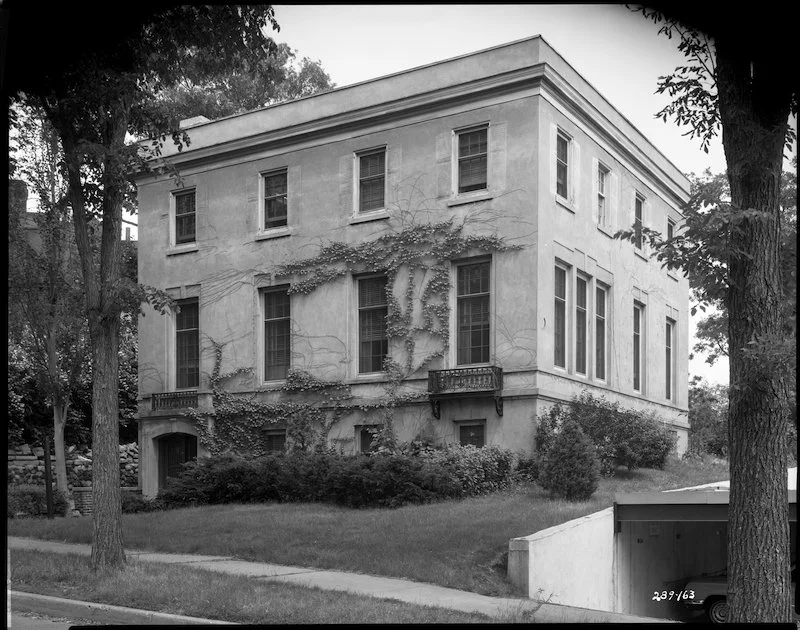
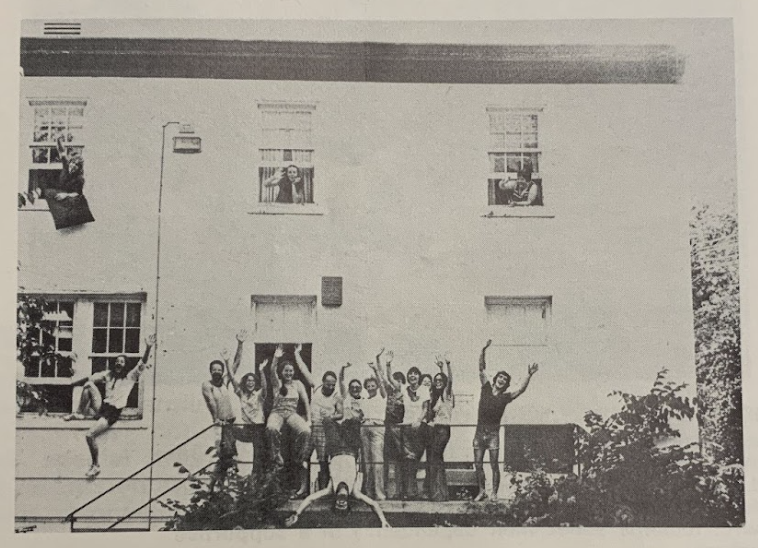
01. My first big discovery was an unmarked photo of the exterior in the extensive Norton & Peel archive @mnhs.info
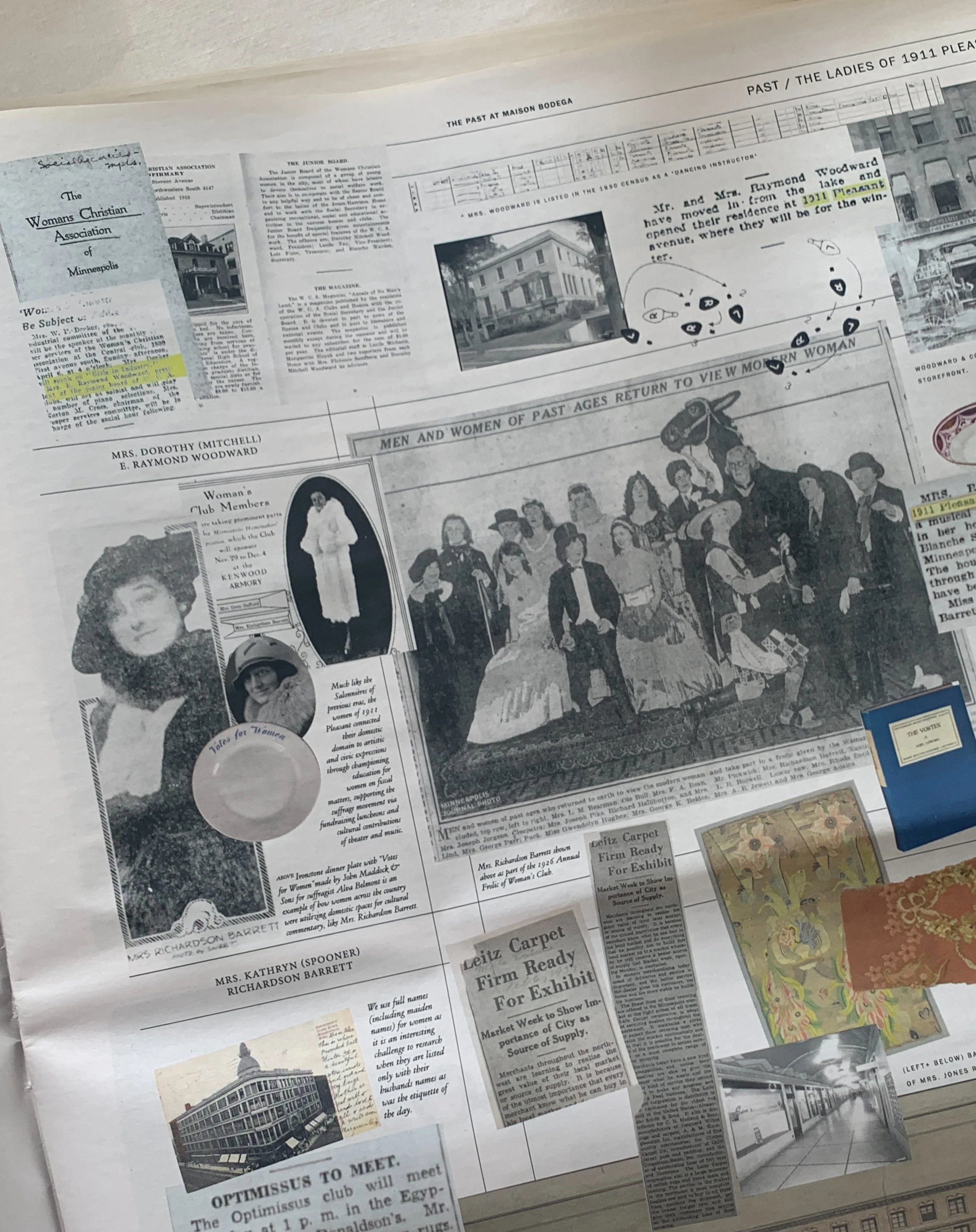
03. A lot of the research I’ve done about the building and its previous inhabitants shows up in @salonnierepaper
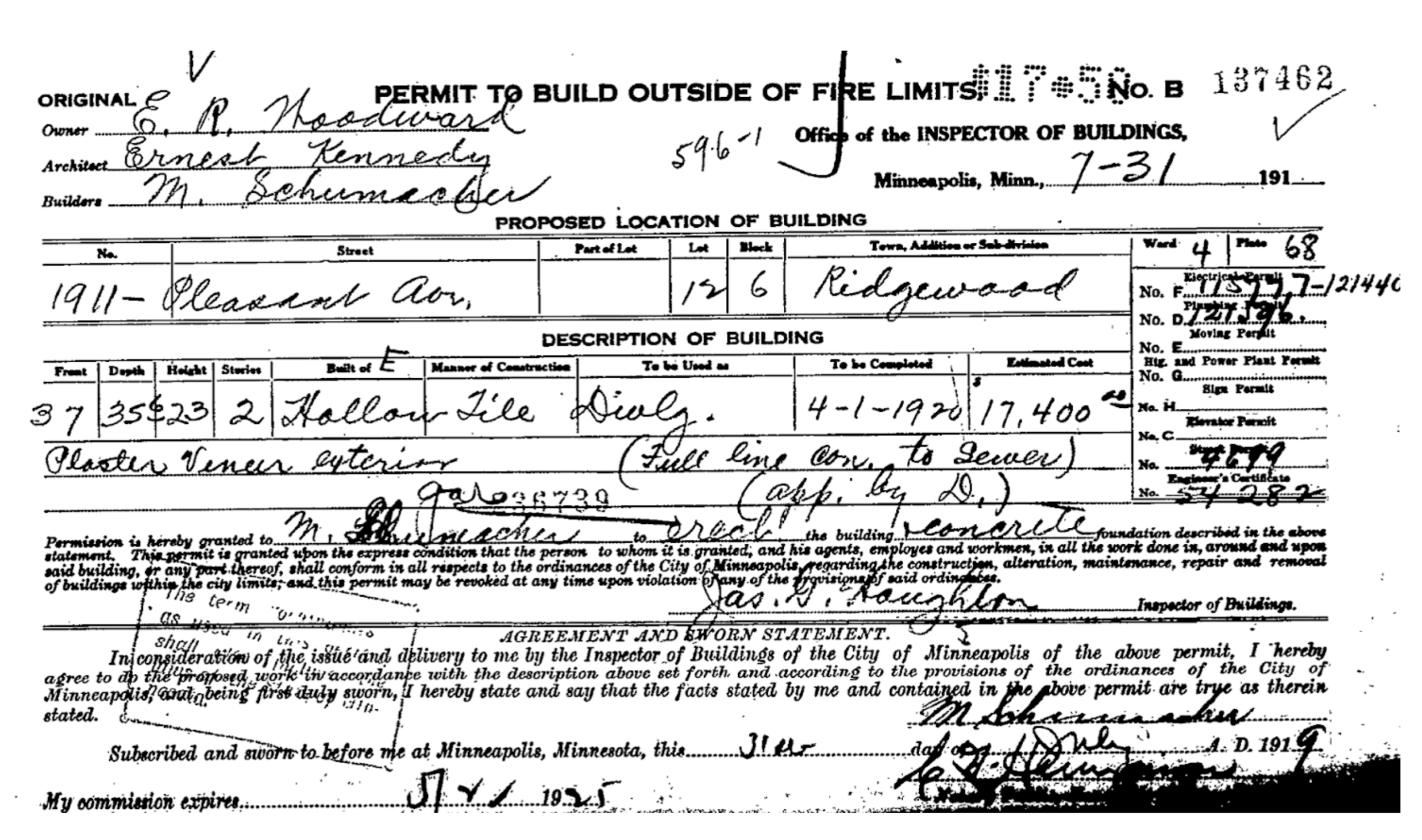
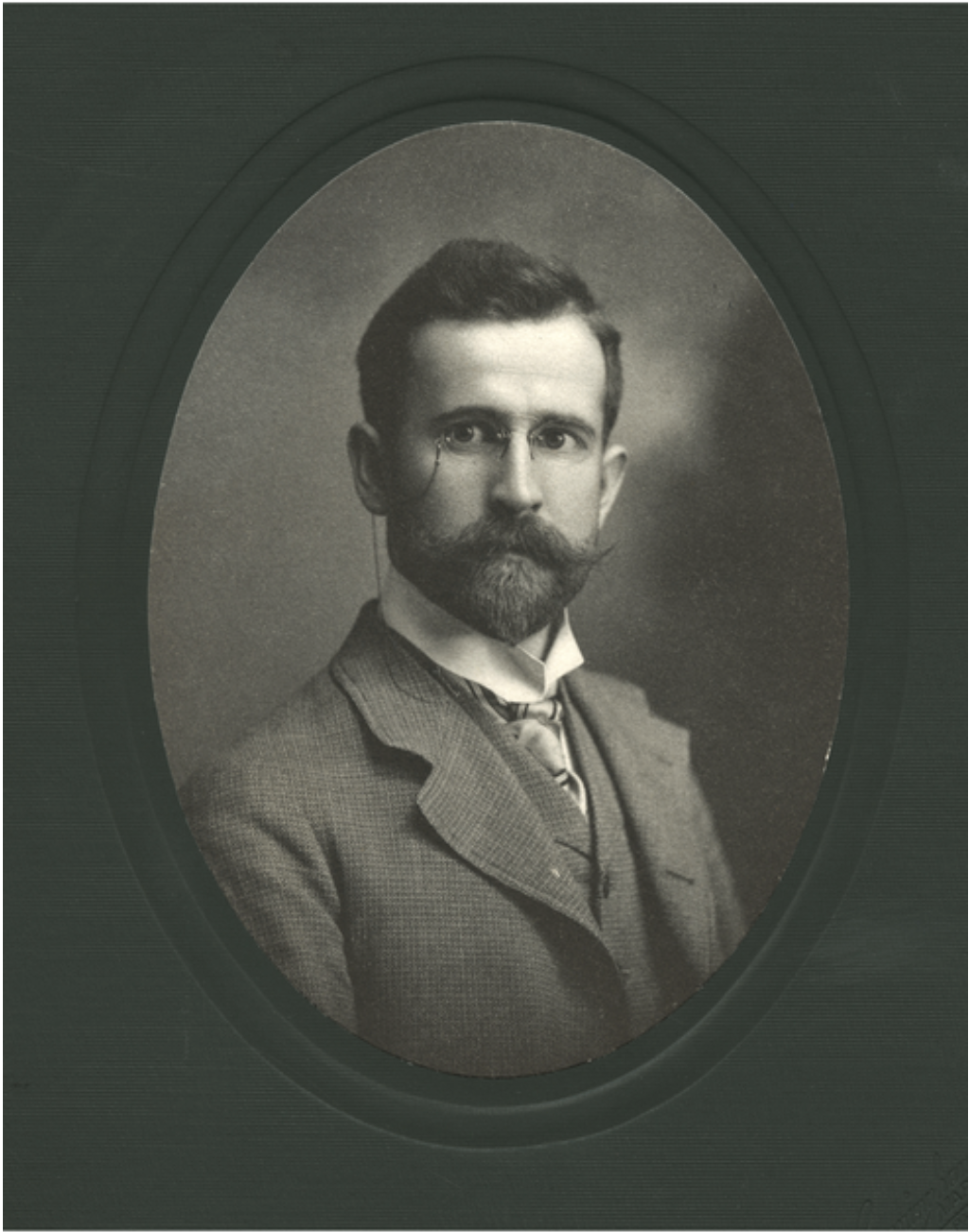
04 -06. It took a few years to find out the architect Ernest Kennedy, who after studying in Paris built homes you may recognize: Alfred Pillsbury, E.C Gale, Gilbert Walker. Now, permits are digitized and easily accessed online @mnhs.info
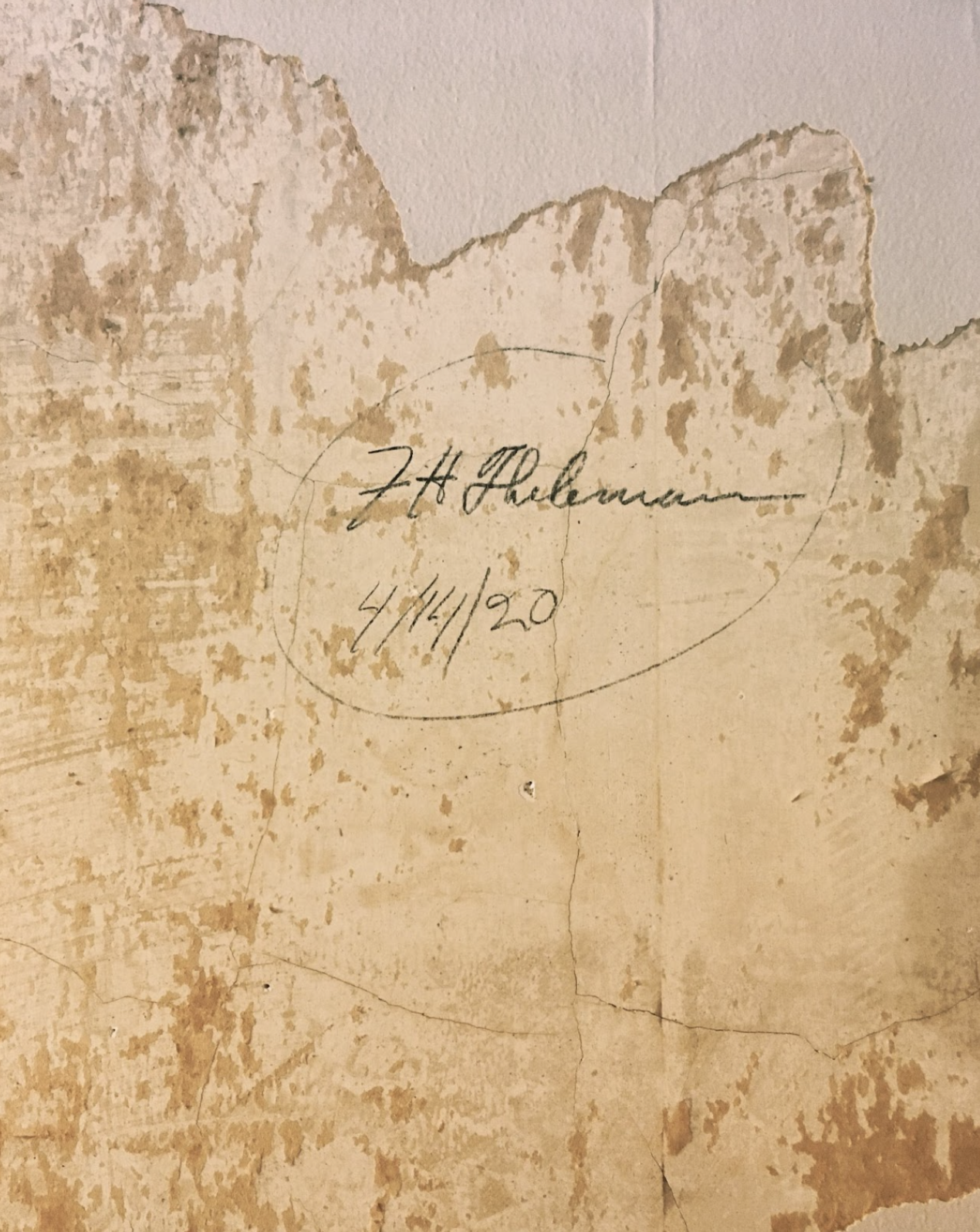
07. Z.H. Theleman 1920 - inscribed on one of our plaster walls.
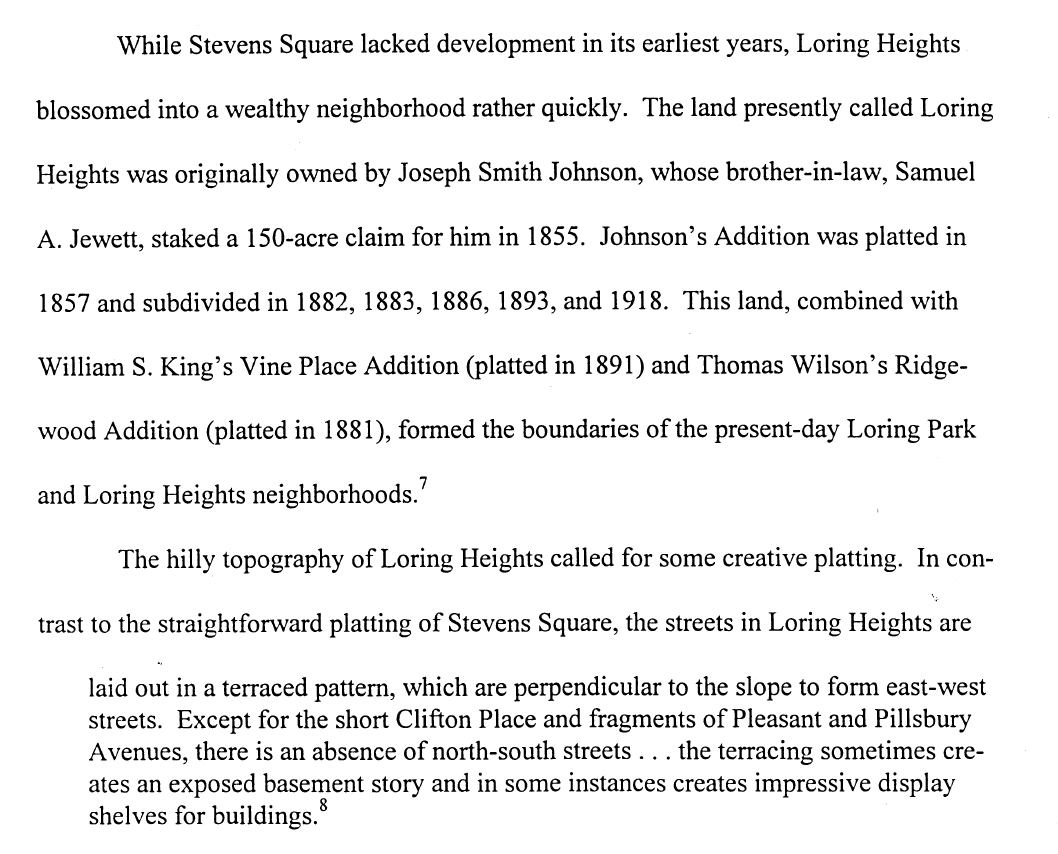
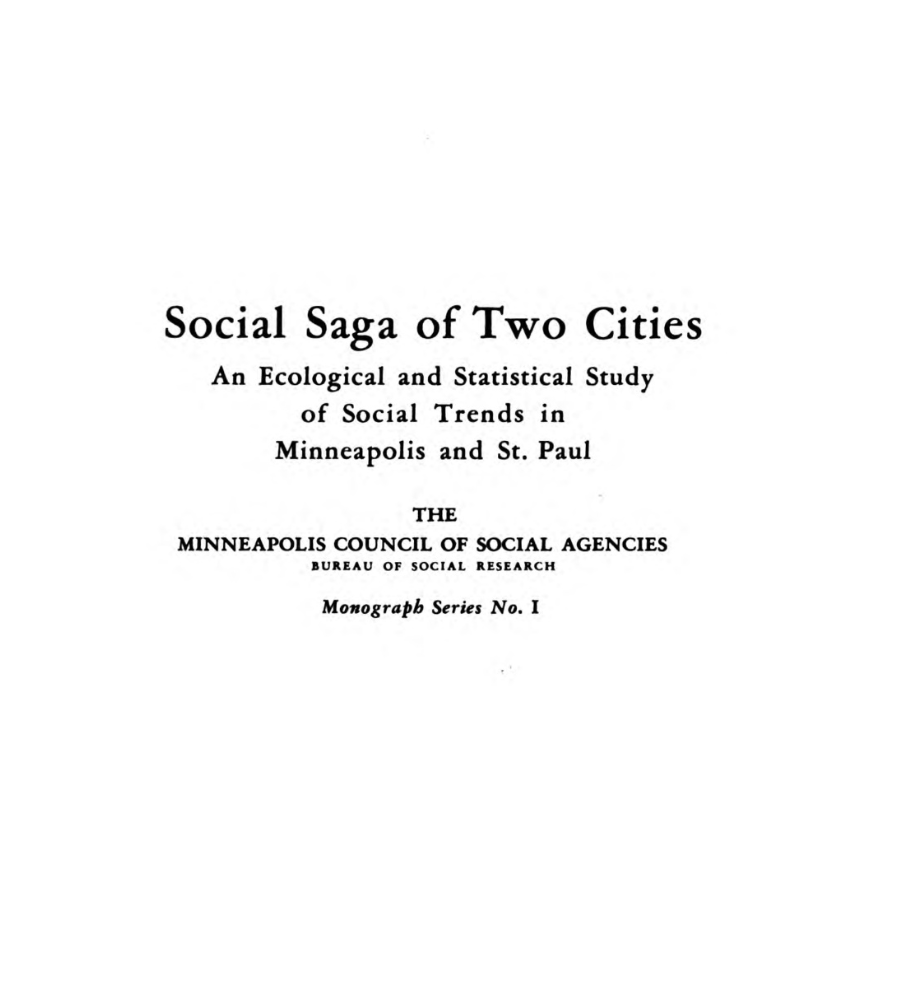
08 + 09. Beyond learning about the structure, there are many documents like “The Social Saga of Two Cities” by Calvin Schmid which dives deep into an ecological and statistical study of social trends in Minneapolis and St. Paul. To me, it’s so interesting to understand the context of things like why our neighborhood is terraced and has few North-South streets.
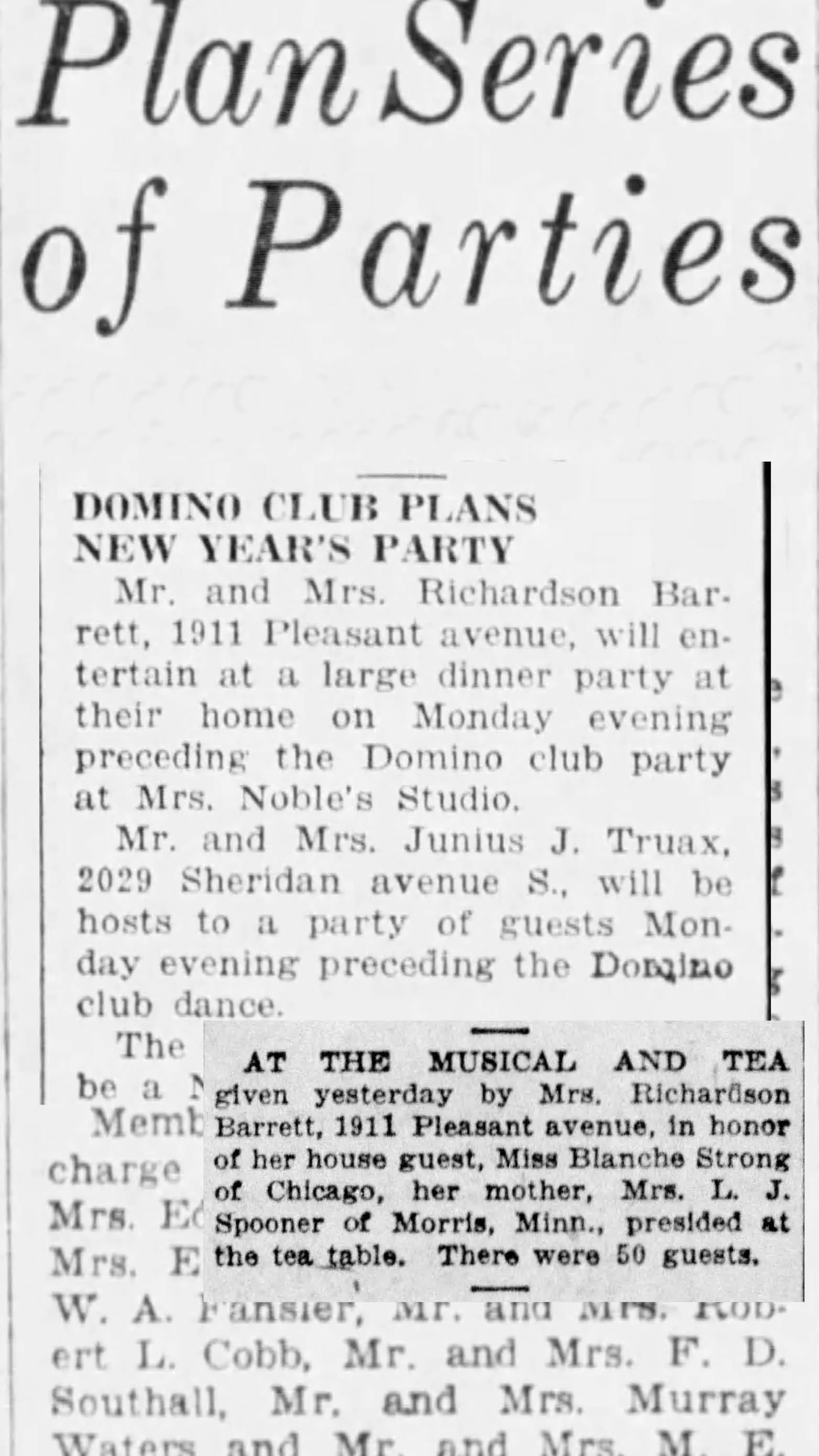
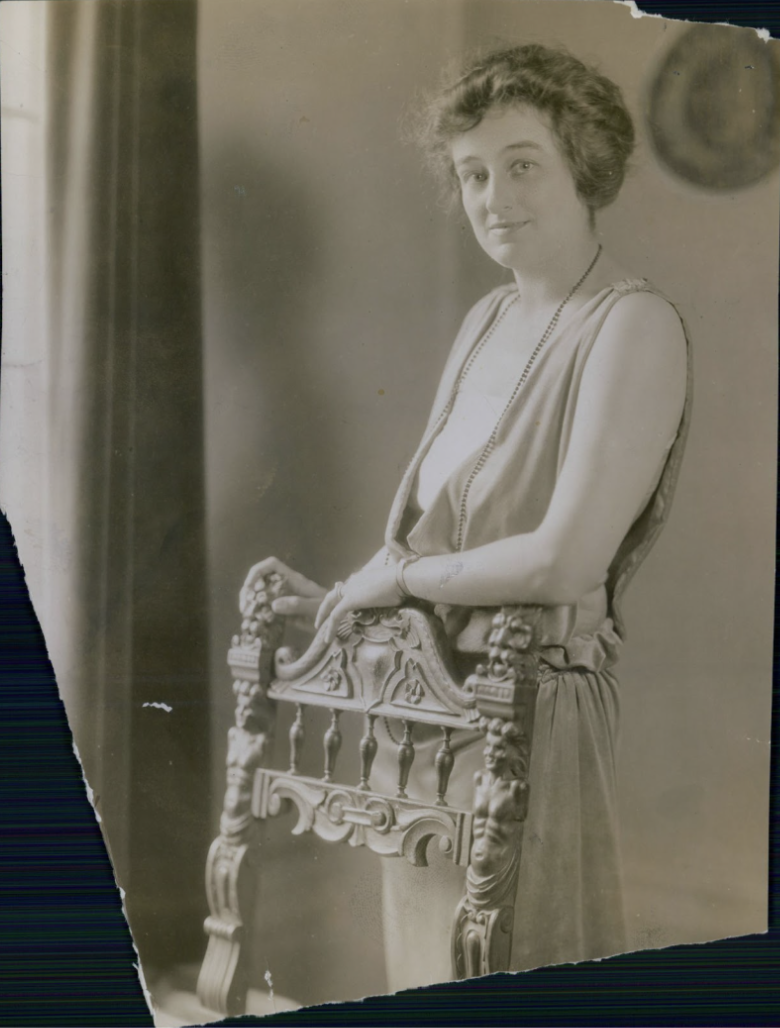
10 - 14. Mrs. Richardson D. Barrett lived here in the 1930s. The first portrait was taken in the main room - I still hope to find interior images! @hclib archives are a great resource.
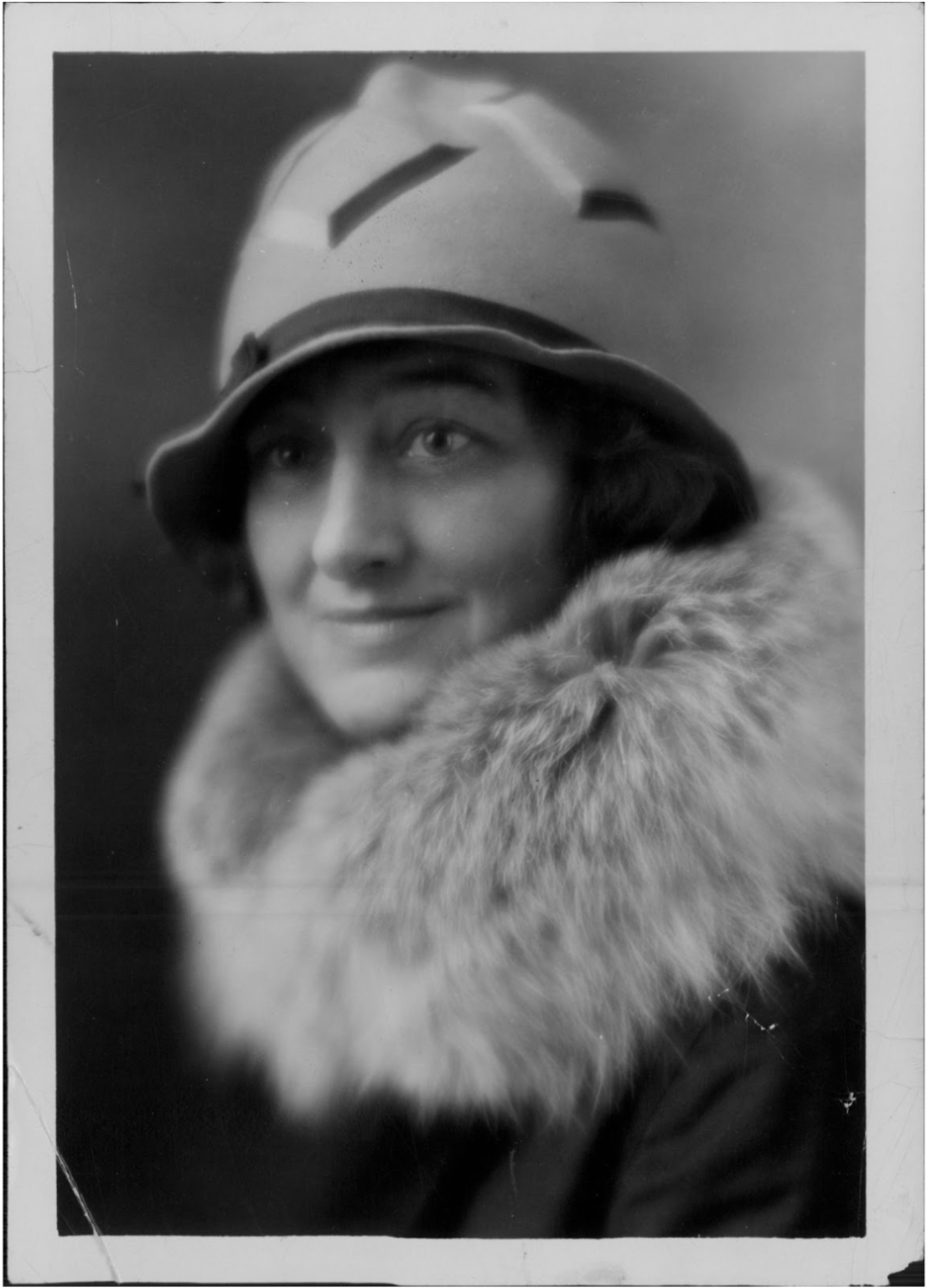
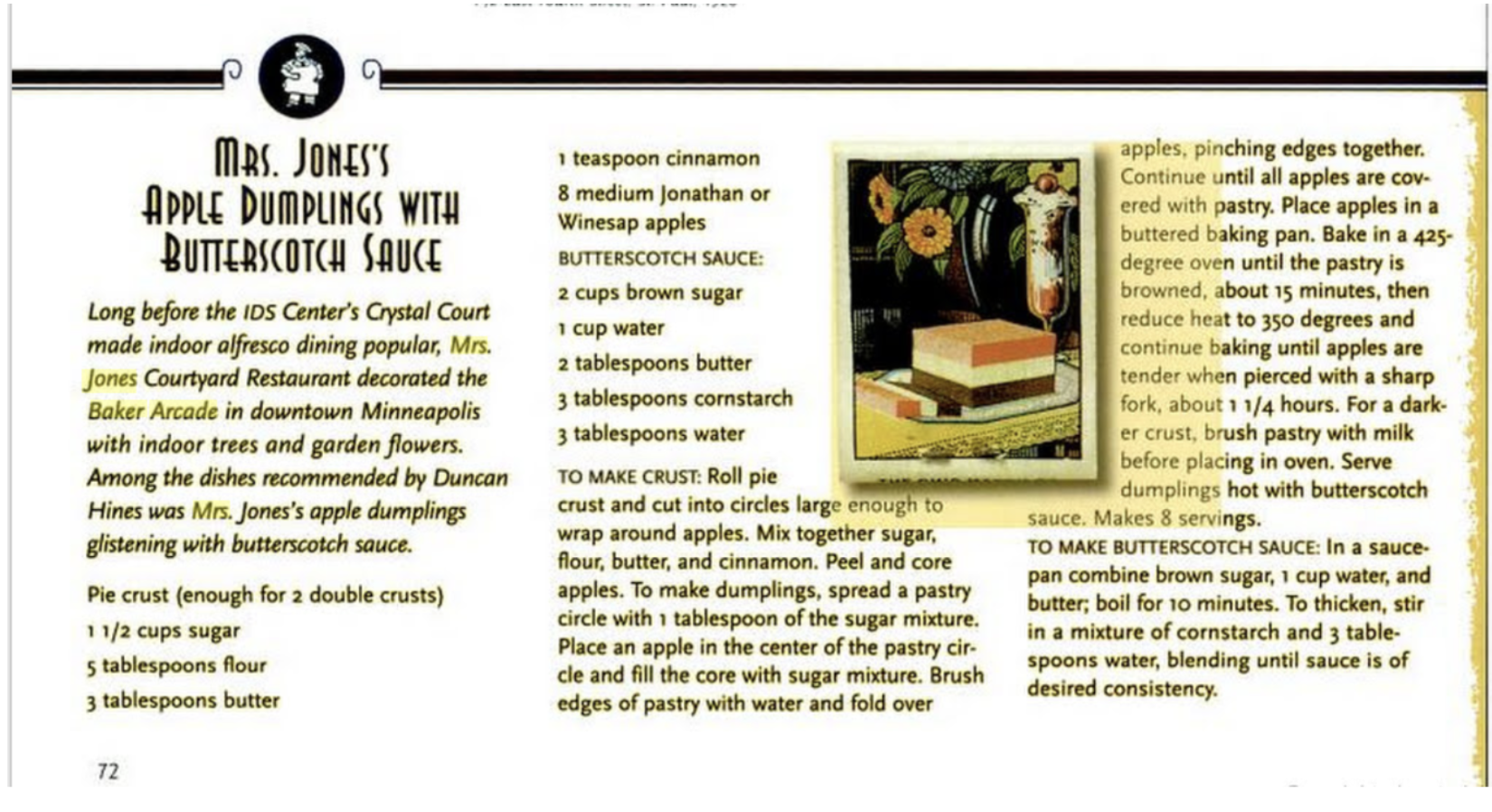
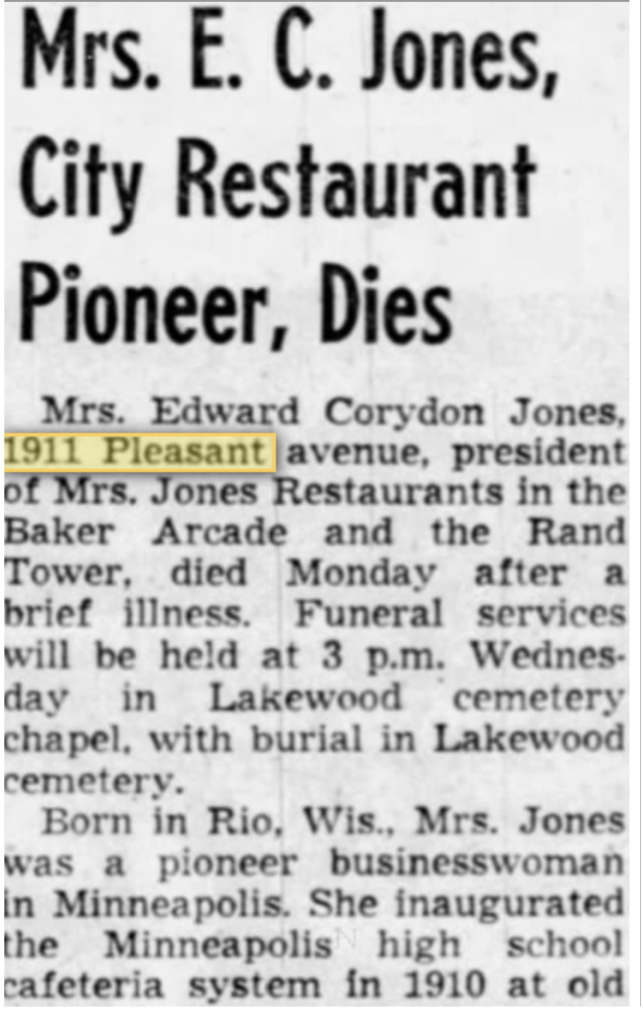
15 + 16. Mrs. Edward Corydon Jones, female restaurateur who inaugurated the cafeteria system in Minneapolis high schools as well as operated in The Baker Arcade and Crystal Court. Documented recipes developed for Dunkin Hines. @hennepinhistory
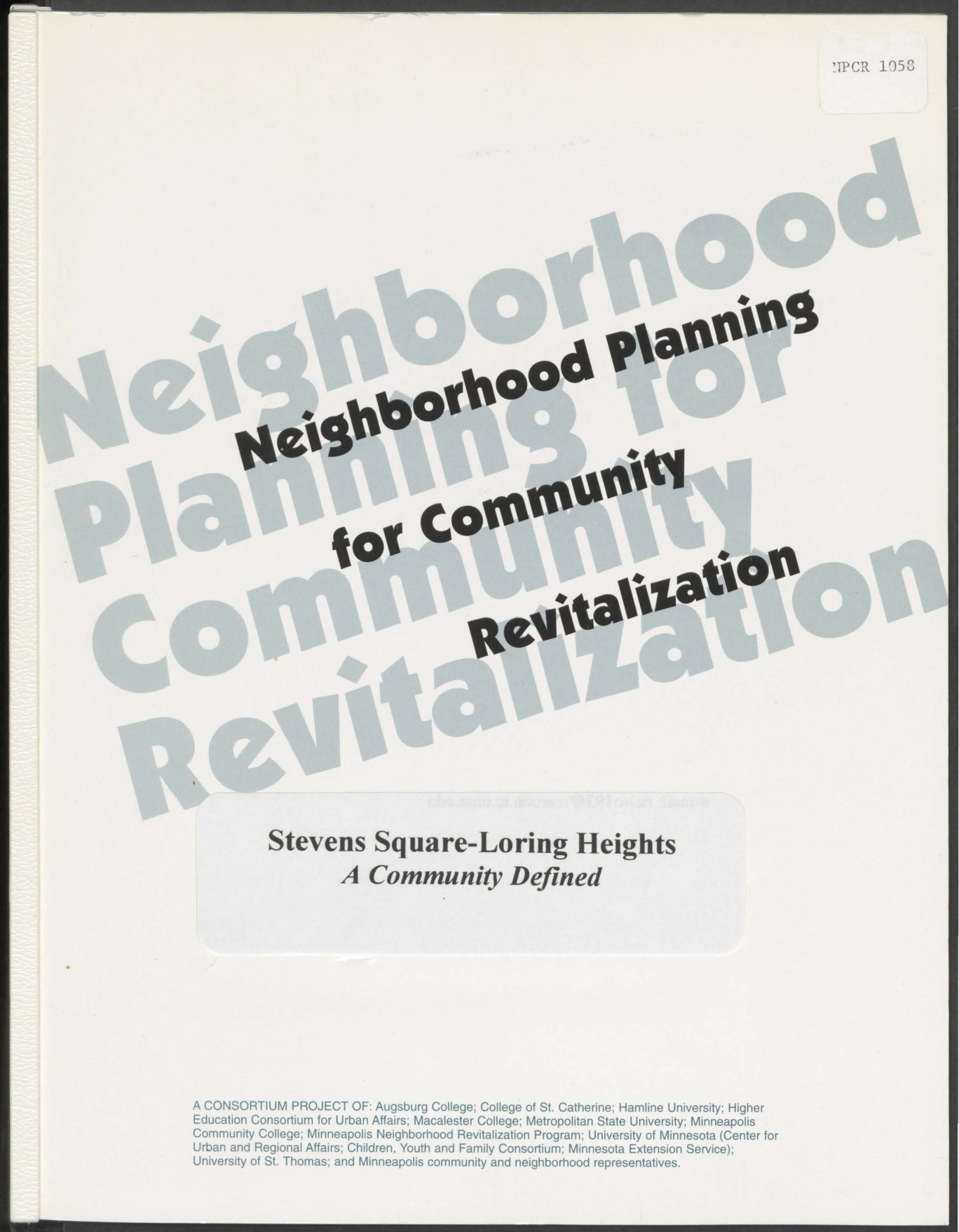
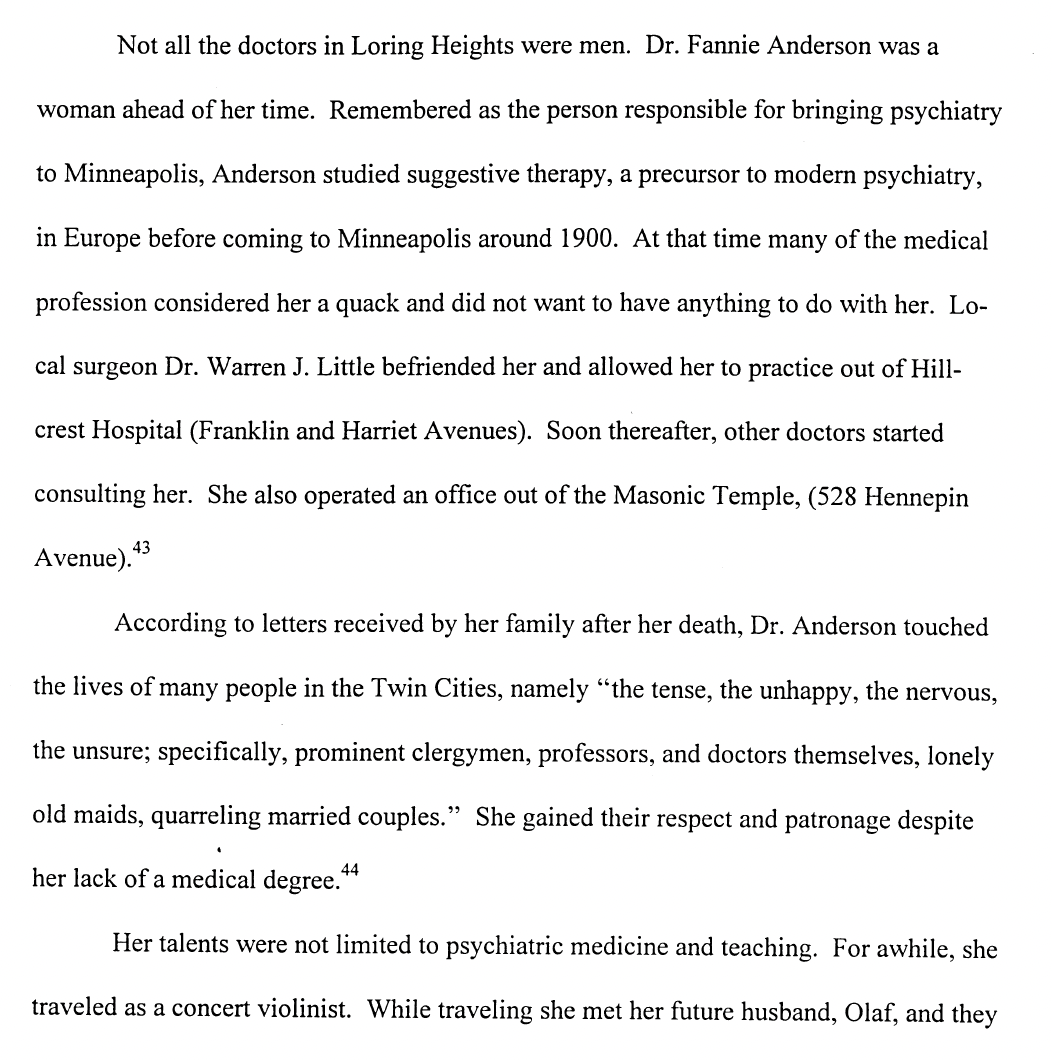
17 + 18. Our neighborhood of Loring Heights has an intricate history. Its origin was rooted in industrial boom, but throughout the years it and its adjacent Stevens Square have taken on many forms. To me, being a steward of a place also means understanding the socio-economic and political landscape. “Neighborhood Planning for Community Revitalization” helped me grasp the history and delicate ecosystem. How things like zoning impact site usage and preservation onto community health and resources. “A bit of a constellation”.