

Offer a Stimulating Feast
-
Launching early-autumn is intentional. Spring is adolescent, bright, eager, a bit green. Autumn is mature, tomatoes at their peak, evenings that linger, air that invites a second bottle. It’s the true season for al fresco, less performance, more presence. We enter just as people move from “outdoors as spectacle” to “outdoors as home,” and we stay with them through harvest suppers and early candle season.

A FEW DETAILS FROM THE COLLECTION
Our Jaspé Bowl is named for its resemblance to jasper stone. This pottery was an essential part of everyday rural life, valued for both its durability and its distinctive patterns that speak to centuries of tradition in French country pottery.

Our Florentine Plate reflects the Renaissance-inspired aesthetic that flourished in Florence. This piece demonstrates both technical skill and the city’s enduring reputation for fine decorative arts.

Our Jaspé Pitcher is from the Savoie region of France and dates to the late 19th–early 20th century. It exemplifies the charm of the pottery from this era and its detailing reflects the regional tradition of hand-crafted ceramics.
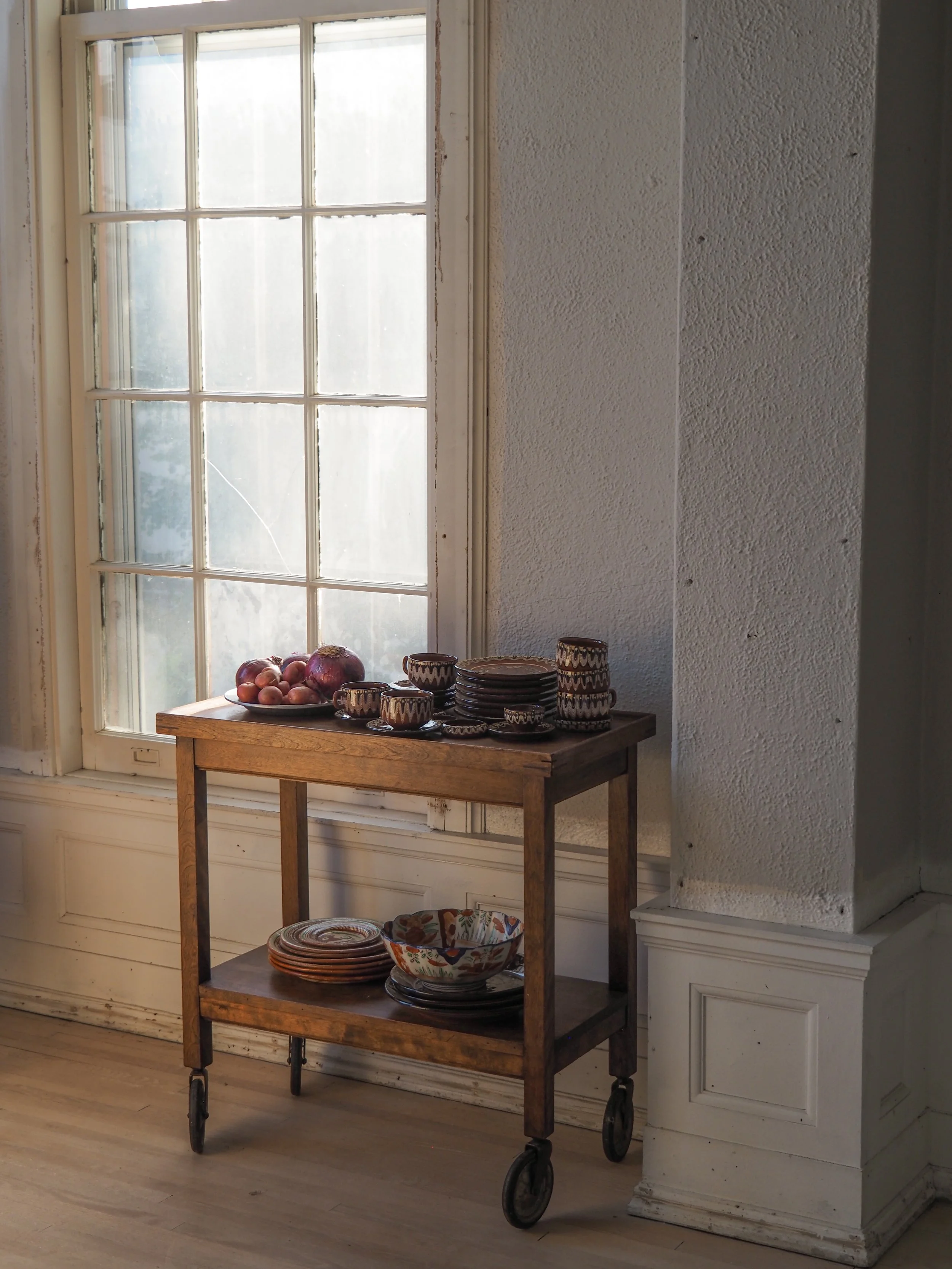
Our Antique French Pastry Cart exemplifies commercial furnishings from the Belle Époque period, combining utility with a restrained, elegant form. Constructed of wood with metal hardware, it was designed for the display and transport of pastries in cafés or patisseries.
ABOUT THiS COLLECTION
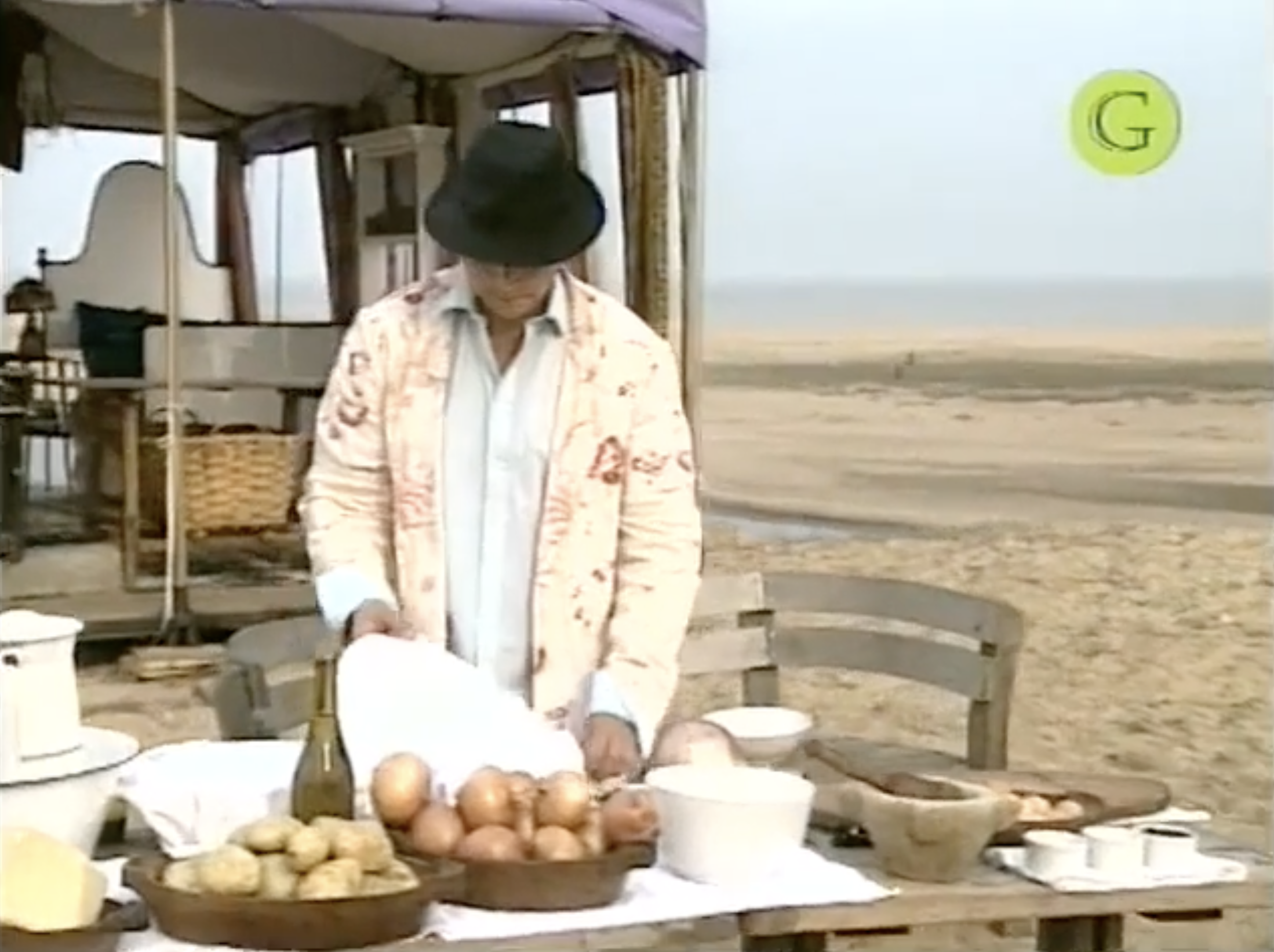
Inspired by Francis Mallmann’s 1995 provocation, a potato-only dinner for the International Academy of Gastronomy near Frankfurt, Andean tubers served with their earth intact to place origin above ornament, this collection honors late summer’s quiet abundance. He was awarded the Grand Prix de l’Art de la Cuisine for that menu; we take the same stance: keep the dirt in the story and let provenance lead design. New pieces meet storied ones so the home feels gathered, not staged, the mature harvest brought inside, candlelight catching on glass and brass. Our perspective is simple, make the useful beautiful without polishing away where it came from.
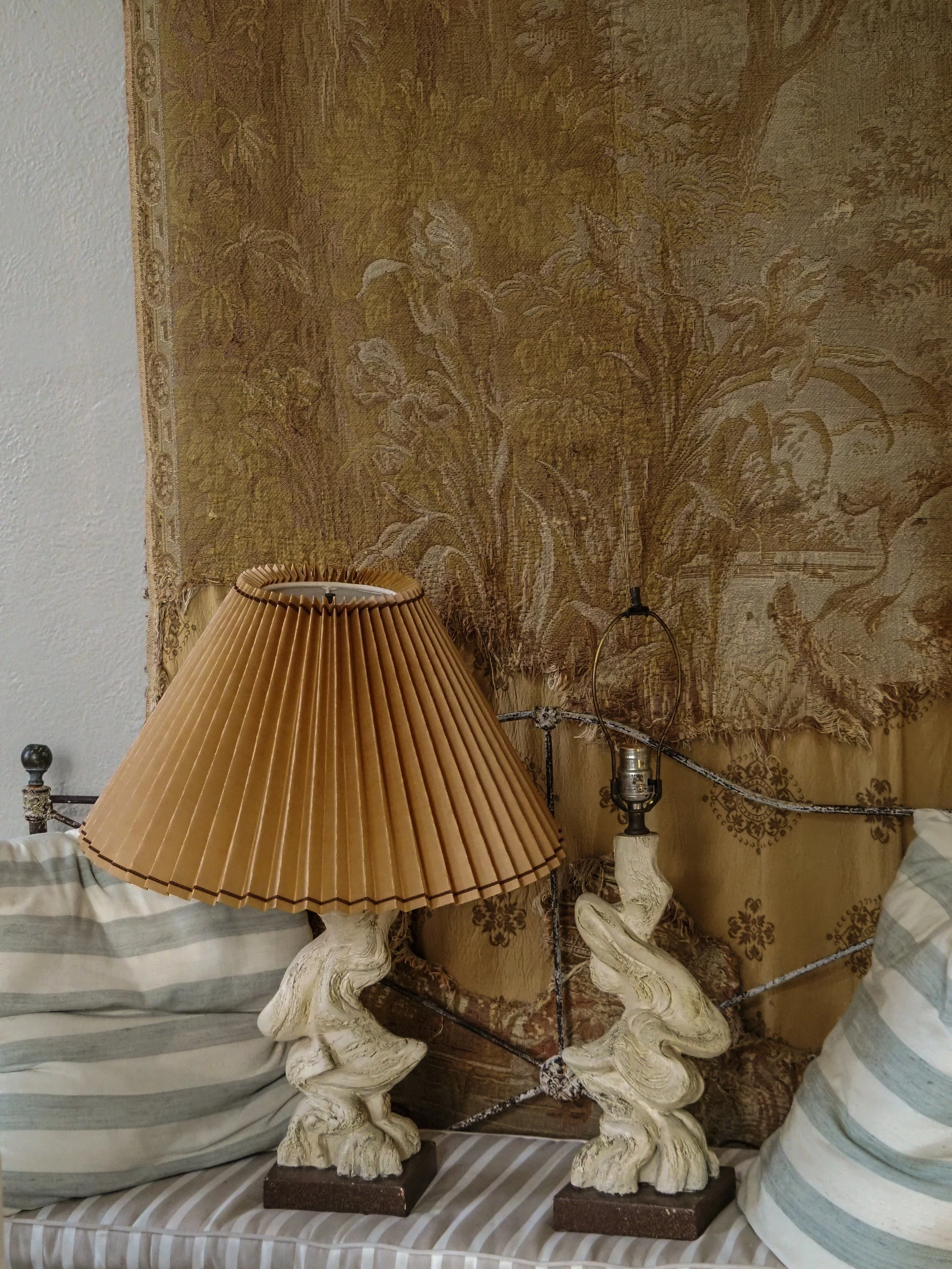
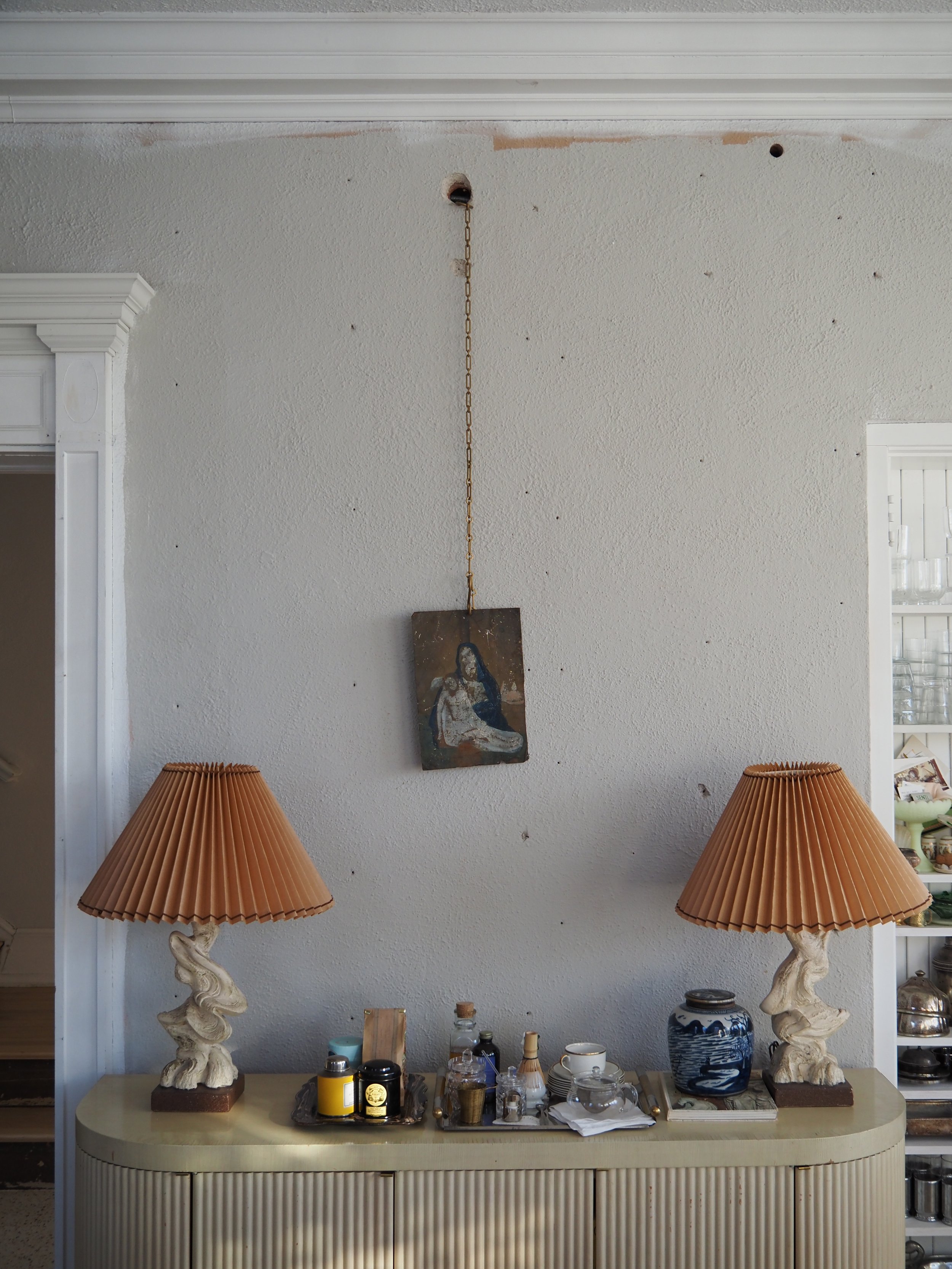
These mid-century modern lamps exemplify the innovative use of chalkware in postwar American design. Modeled to resemble natural driftwood, the sculptural bases reflect the period’s interest in organic forms and textural experimentation. Originally intended for domestic illumination, the lamps combine functional utility with the aesthetic principles of mid-century modernism, highlighting the intersection of mass-produced materials and artisanal-inspired design.
-Size: 20inH × 8inW × 6inD
-Size (with shade) 27inD
-Materials: chalkware, paper shades
-Provenance: 1950s
-Made in: USA, Chicago, Illinois
-Notes:
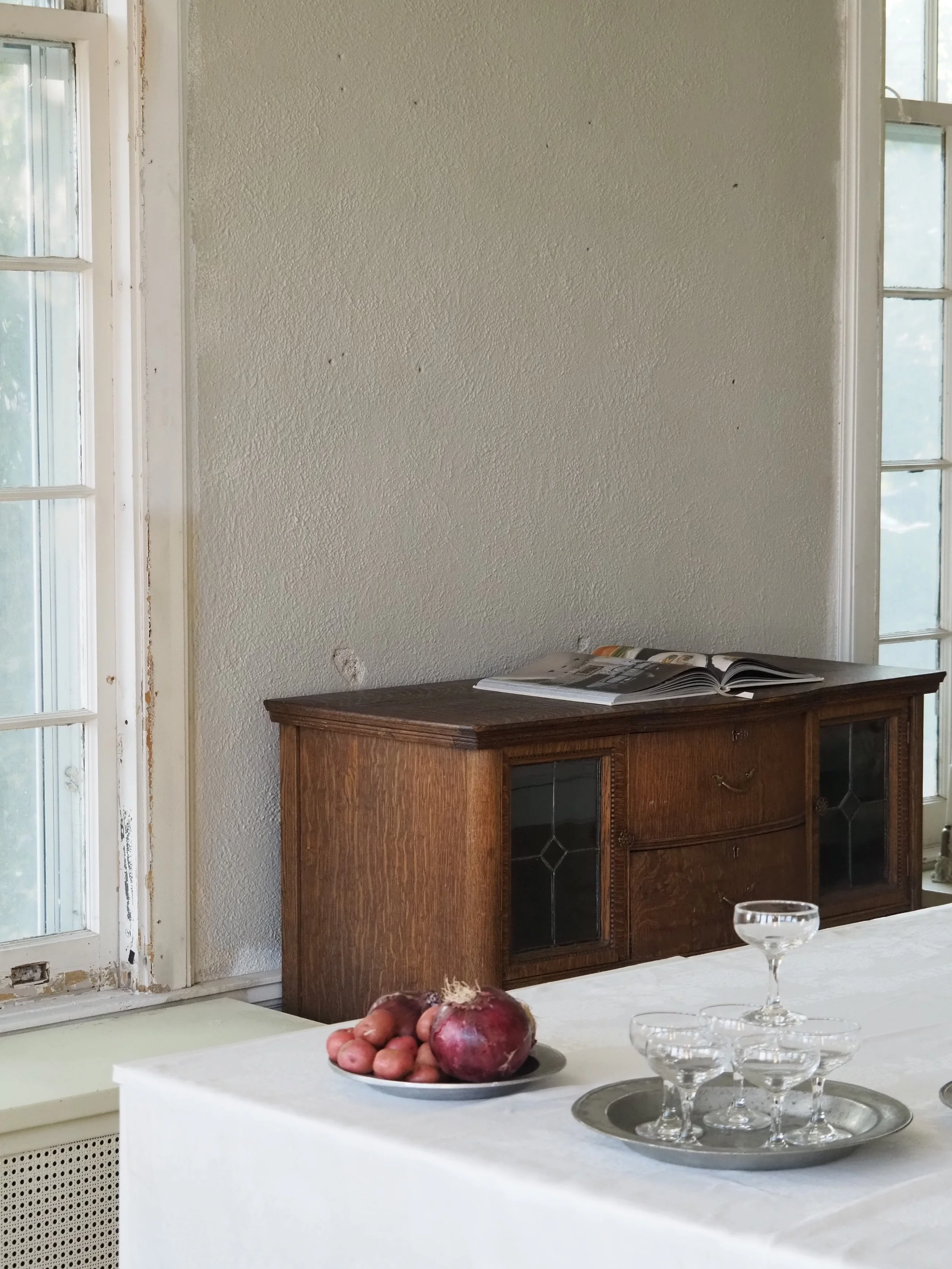
This sideboard reflects the elegance of early 20th century furniture design, where classical restraint was paired with fine craftsmanship. The case is faced with zebrawood veneer, its linear grain lending subtle visual interest without detracting from the piece’s balanced proportions. Leaded glass panels introduce a refined decorative element, allowing for both display and storage while maintaining an air of formality. The sideboard embodies the period’s preference for functional domestic furnishings elevated by high-quality materials and understated detailing.
-Size: 24in D x 48in W x 38in H
-Materials: zebrawood veneer, wood, leaded glass
-Provenance: early 20th century
-Made in: USA
-Notes:

Celebrate the legacy of French provincial craftsmanship with this Antique Jaspe Pottery bowl, a storied piece from the Savoie region dating to the late 19th–early 20th century. Named for its resemblance to jasper stone, Jaspé pottery was an essential part of everyday rural life, valued for both its durability and its distinctive marbled patterns that speak to centuries of tradition in French country pottery.
-Size: 9in Dia
-Materials: pottery
-Provenance: late 19th–early 20th century
-Made in: France, Savoie region
-Notes:
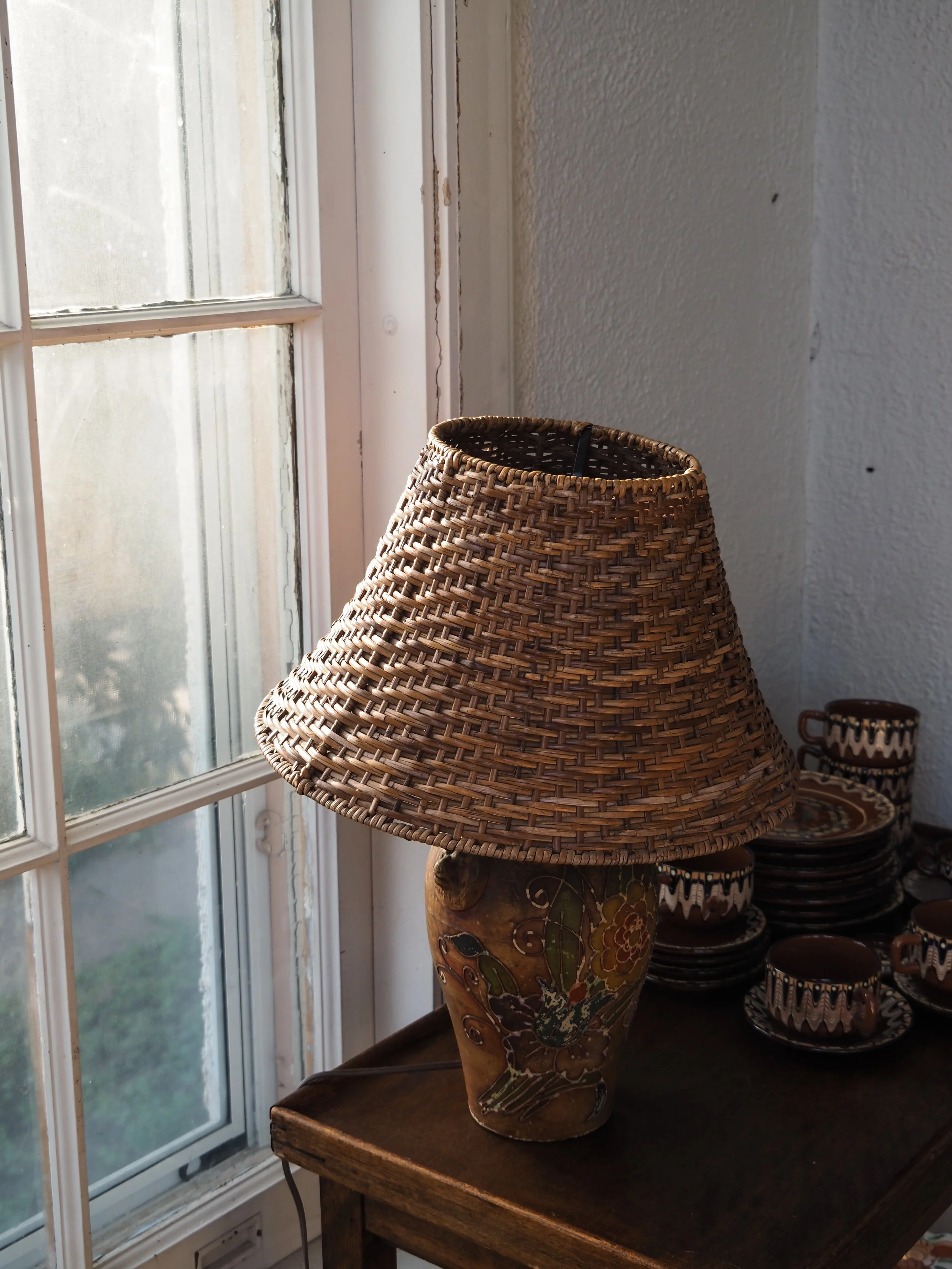
This lamp exemplifies the decorative arts of the late 19th and early 20th century, uniting symbolic ornament with domestic utility. The base, enriched with lion-head handles and floral motifs, reflects the era’s fascination with classical and naturalistic imagery, while the handwoven wicker shade introduces a contrasting textural element. Together, these features illustrate the period’s interest in integrating craftsmanship, material variety, and symbolic detail into everyday furnishings, elevating the lamp beyond function into the realm of ornamented design.
-Size: 22inH
-Materials: metal, wicker (shade)
-Provenance: late 19th–early 20th century
-Made in: unknown
-Notes: rewired
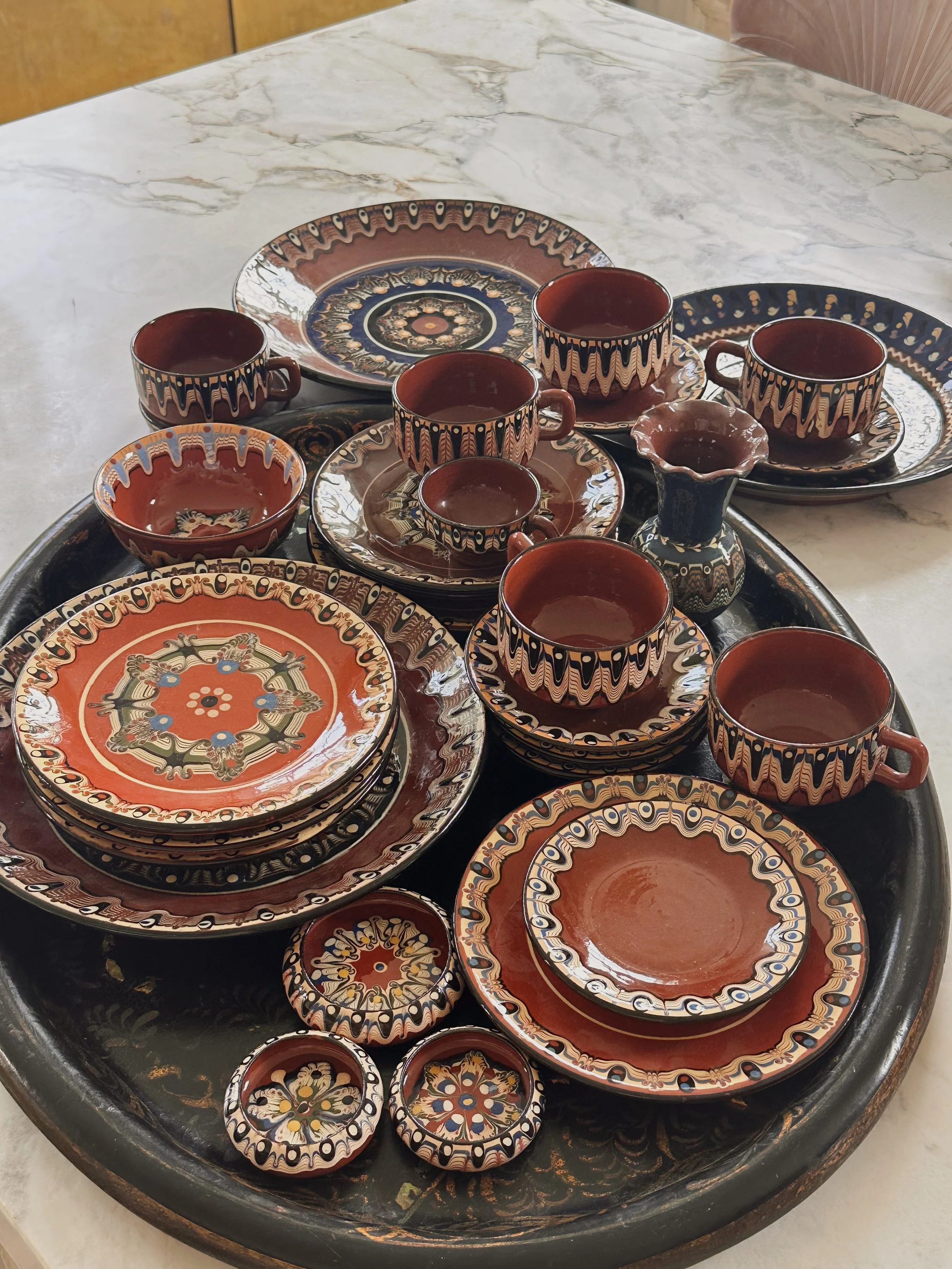
This set exemplifies the regional ceramic tradition of the village of Troyan, noted for its abundant clay deposits and distinctive decorative style. Characterized by hand-painted glazes with swirling floral and geometric motifs, Troyan pottery frequently incorporates the signature “droplet” and “feather” designs that distinguish it within the canon of Eastern European folk ceramics. Both functional and decorative, these vessels reflect the enduring craftsmanship of Bulgaria’s rural artisans.
-Size:
-Materials: pottery
-Provenance: late 19th century
-Made in: Bulgaria, village of Troyan
-Notes:

This substantial Italian majolica vase exemplifies the vibrant polychrome glazing and sculptural modeling characteristic of the medium. The piece demonstrates the technical virtuosity of Italian ceramicists, combining molded relief decoration with richly colored glazes to create both functional and ornamental appeal. Such works reflect the enduring popularity of majolica in Italy, bridging Renaissance-inspired decorative traditions with the aesthetic sensibilities of the late 19th and early 20th centuries.
-Size: 14in W x 17in H x 9in D
-Materials: majolica earthenware
-Provenance: late 19th–early 20th century
-Made in: Italy
-Notes:

This pedestal exemplifies the Brutalist approach to mid-20th-century ceramics, characterized by bold, geometric forms and textured surfaces. Constructed of hand-modeled art pottery, the piece emphasizes materiality and sculptural presence, reflecting the movement’s rejection of ornamentation in favor of raw, expressive design. Such works functioned as both display supports and independent sculptural objects, illustrating the intersection of utility and modernist aesthetics.
-Size: 12in x 7.5in x 5in
-Materials: art pottery
-Provenance: mid-20th century
-Made in: USA
-Notes

This trunk exemplifies 19th-century Mexican vernacular craftsmanship, constructed with hand-hewn wooden boards and featuring beautifully executed joinery. Its unadorned surfaces and functional form reflect the pragmatic aesthetic of domestic and rural furniture, emphasizing durability and skilled construction over ornamentation. The piece demonstrates how utilitarian objects were crafted with care, balancing practicality with artisanal skill.
-Size: [insert dimensions]
-Materials: wood
-Provenance: 19th century
-Made in: Mexico
-Notes:

This pair of pewter candlesticks reflects the understated elegance and utilitarian craftsmanship characteristic of 19th-century domestic metalwork. Fashioned in a balanced, tapering form, they embody both functionality and decorative restraint, their silvery-grey surface enriched with the natural patina of age. Pewter, a widely used alloy during the period, offered an accessible yet refined alternative to silver, making such candlesticks common fixtures in middle-class households. Their enduring simplicity underscores the timeless dialogue between utility and design in everyday objects.
-Size: 8inH
-Materials: pewter
-Provenance: 19th century
-Made in: Sweden
-Notes:

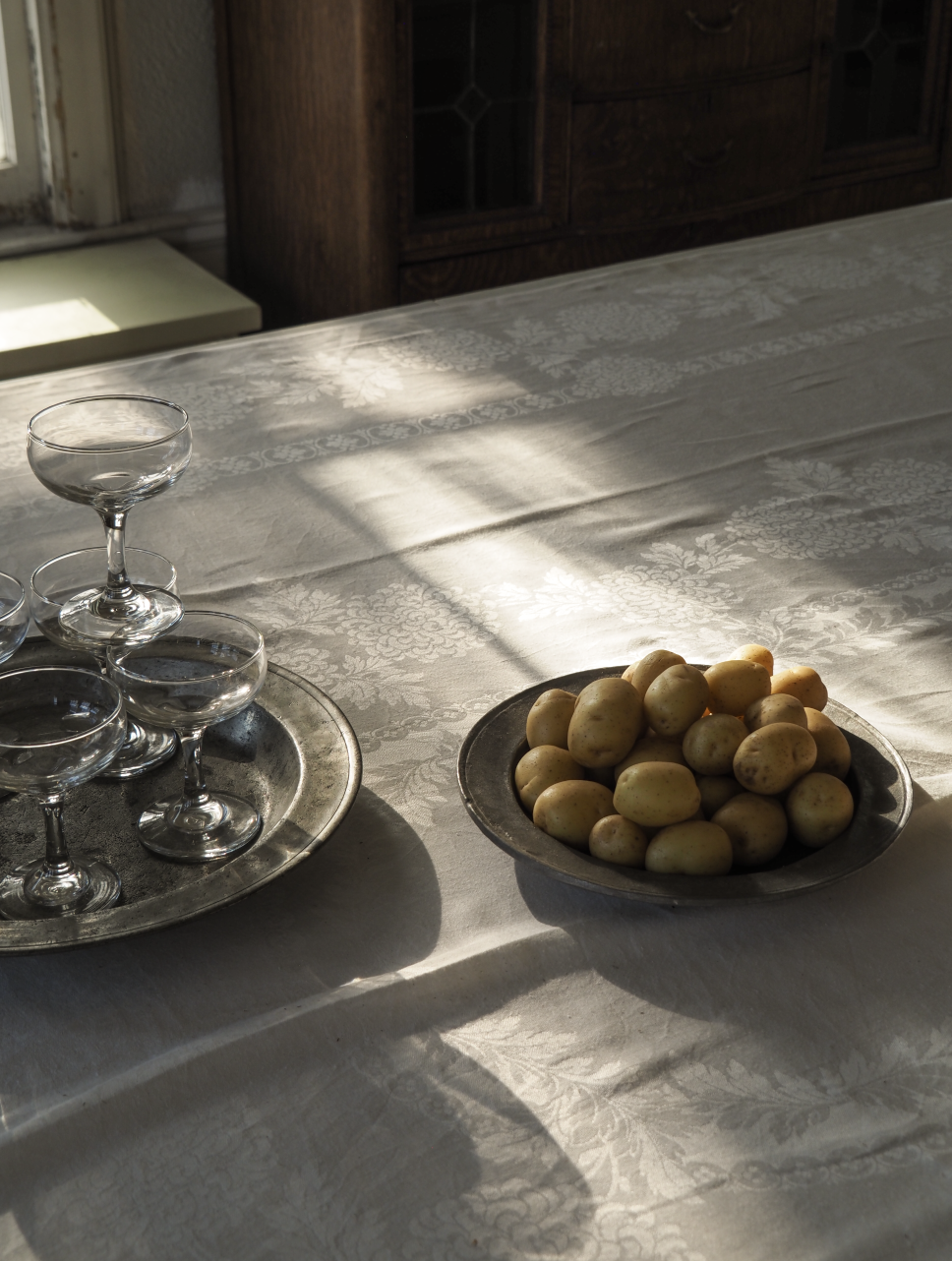
This elegant table linen set features a double damask weave in Irish linen, showcasing the intricate craftsmanship characteristic of mid-20th century Irish textile production. The "Meadow Bleach" pattern is distinguished by its subtle tonal variations and refined geometric motifs, reflecting the period's appreciation for understated luxury.
-Materials: Irish linen, double damask weave
-Dimensions: Tablecloth: 72 × 96 inches
-Condition: New with tags, unused
-Provenance: Ireland, mid-20th century
-Notes: Hand-hemmed edges, original packaging
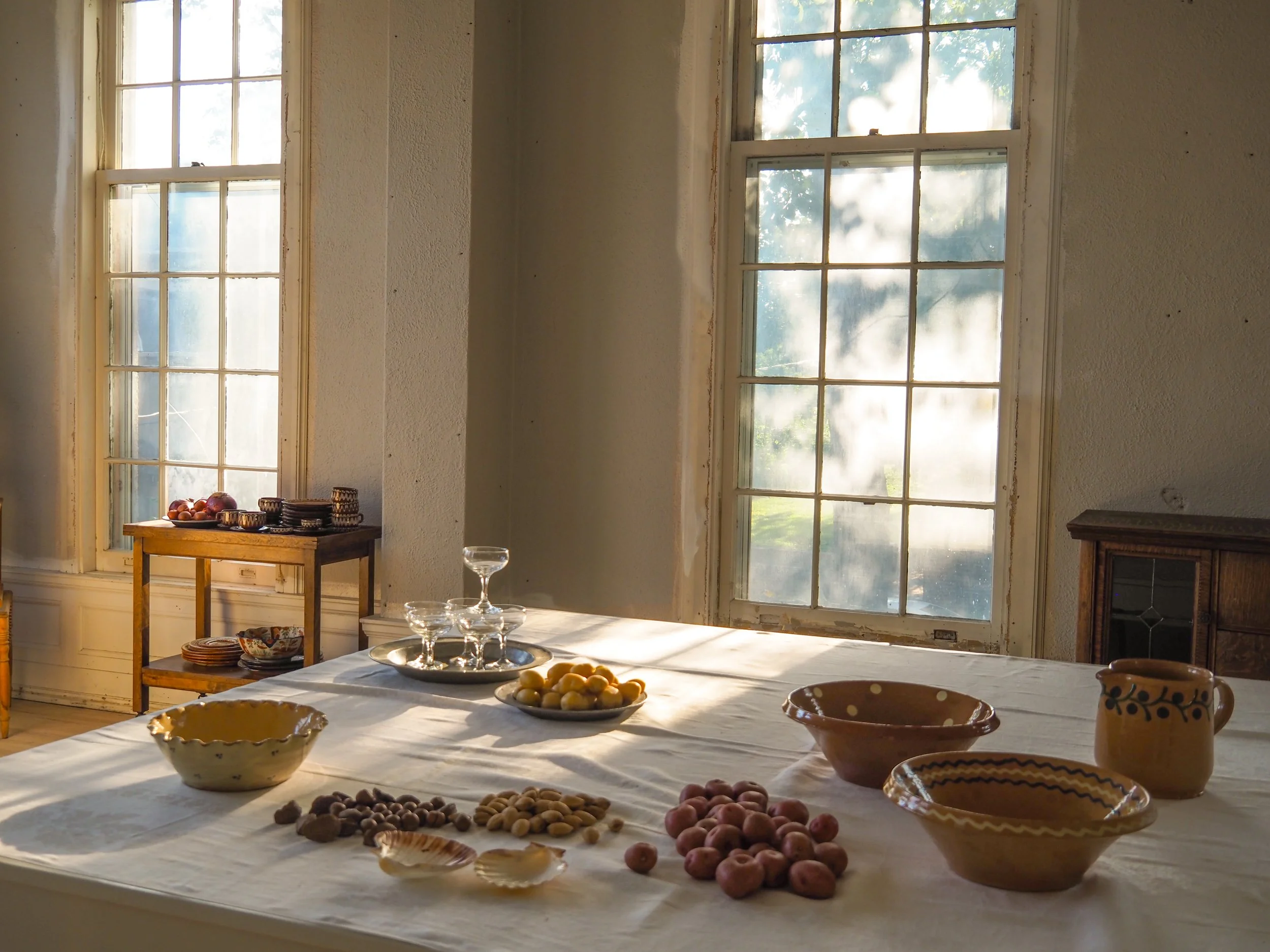
Celebrate the legacy of French provincial craftsmanship with this Antique Jaspe Pottery Pitcher, a storied piece from the Savoie region dating to the late 19th–early 20th century. Named for its resemblance to jasper stone, Jaspé pottery was an essential part of everyday rural life, valued for both its durability and its distinctive marbled patterns that speak to centuries of tradition in French country pottery.
-Size: 11in Dia
-Materials: pottery
-Provenance: late 19th–early 20th century
-Made in: France, Savoie region
-Notes:
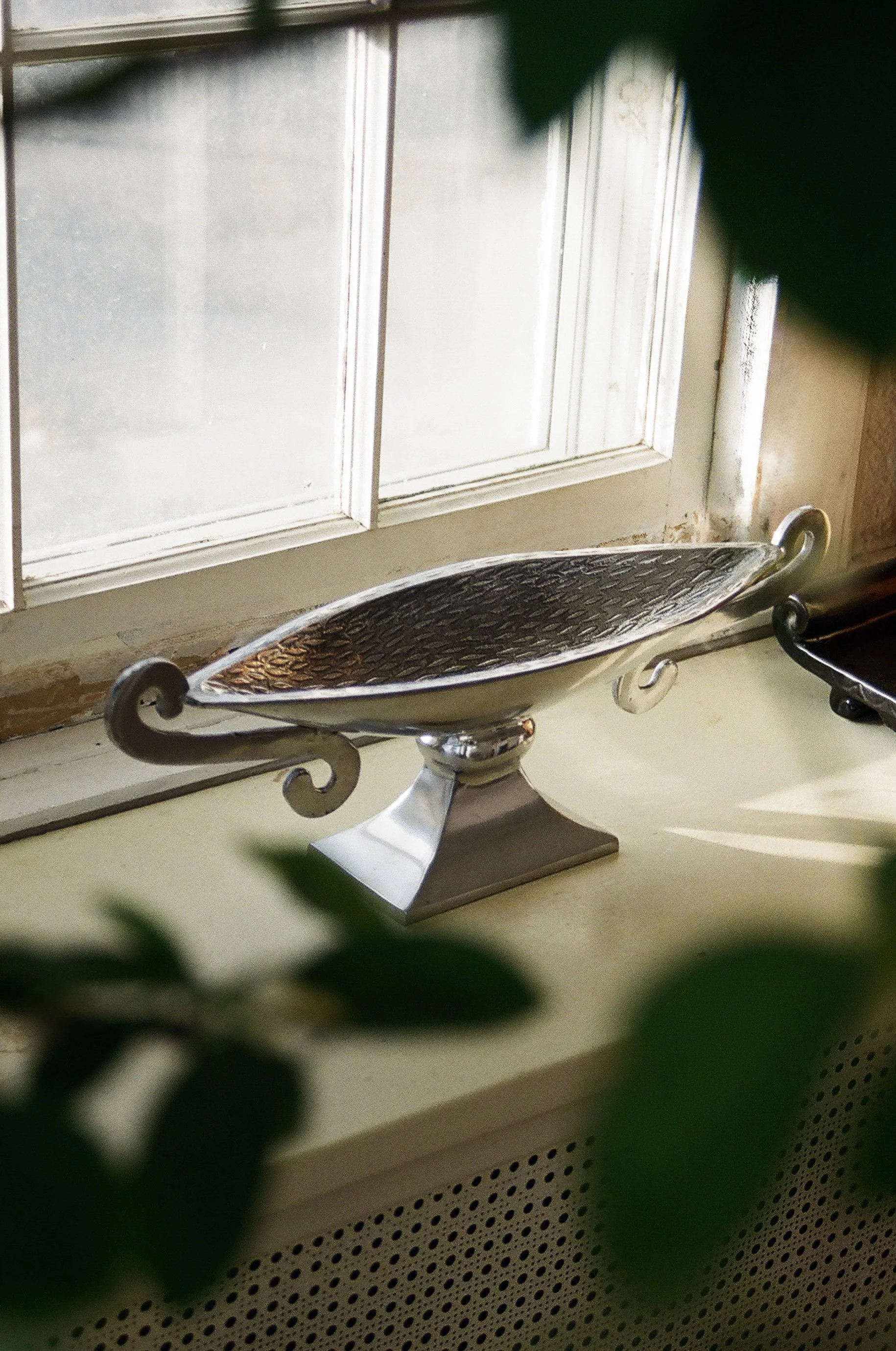
This bowl exemplifies traditional Mexican metalwork, executed in hand-hammered pewter with a simple, functional form. The piece demonstrates the artisanal skill of regional craftspeople, combining utilitarian purpose with understated decorative appeal. Such objects were commonly used in domestic settings for display or serving, reflecting the integration of craftsmanship and everyday life in Mexican material culture.
-Size: 5in D x 22inW x 7inH
-Materials: pewter
-Provenance: 20th century
-Made in: Mexico
-Notes:
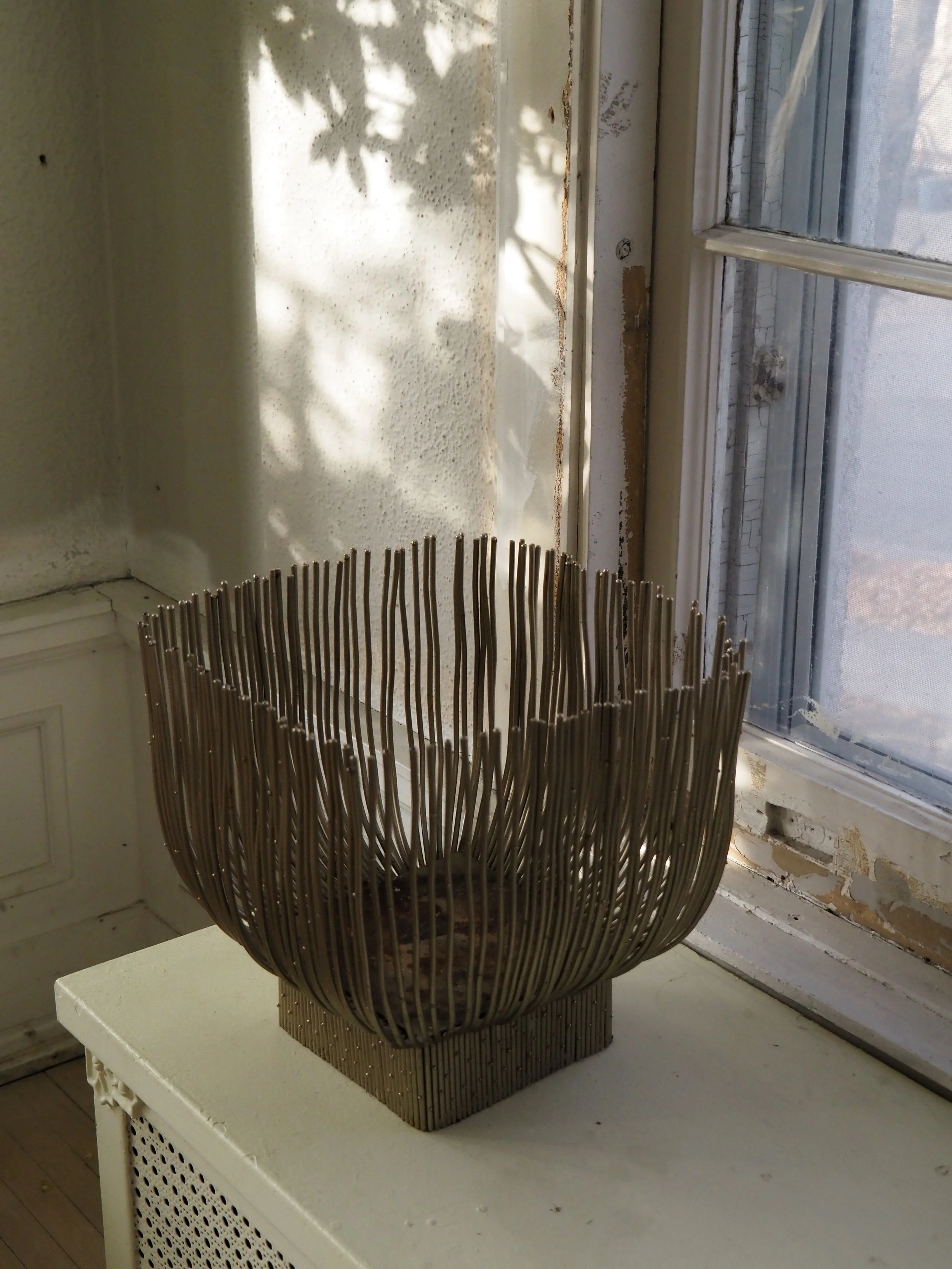
This vessel reflects the raw, tactile aesthetic associated with French Brutalist design, emphasizing sculptural mass, irregular surface texture, and an intentionally primal visual language. Its form balances expressive spontaneity with deliberate craftsmanship, allowing the material’s inherent weight and roughness to shape the overall composition. The piece exemplifies mid-century France’s exploration of ceramic and sculptural objects as both functional forms and architectural statements in miniature.
-Size: approx:18inH
-Materials: metal
-Provenance: mid–20th century
-Made in: France
-Notes:

This finely crafted mirror reflects the decorative sensibilities of the 19th century, characterized by its substantial wooden frame, surmounted by turned finials and embellished with carved grapevine motifs. The naturalistic symbolism of the grapevine—associated with abundance, vitality, and domestic prosperity—adds an ornamental dimension to the functional design. Its scale and workmanship suggest that it once served as a focal furnishing within a refined interior, exemplifying the era’s appreciation for richly carved decorative arts.
-Size: 3ft x 2ft
-Materials: wood, glass
-Provenance: 19th century
-Made in: Spain
-Notes:

A Japanese Satsuma vase defined by its moriage surface, where raised enamel is built up across the form to create depth and texture.
Rather than relying solely on painted decoration, the surface is constructed through applied elements, allowing light to catch across the raised detailing. This gives the piece a dimensional quality, where ornament functions as structure rather than embellishment.
The vase reads as both vessel and surface object, holding presence through density and material accumulation rather than scale.
-Size:9inH x7inDia
-Materials: earthenware with moriage enamel
-Provenance: late 19th–early 20th century, late Meiji to Taisho period
-Made in: Japan
-Notes:

This coverlet exemplifies the technical and artistic achievements of American Jacquard weaving in the mid-1800s. Woven on a Jacquard loom, which employed a punch card system originally developed by Joseph Marie Jacquard, the textile demonstrates the ability to produce intricate and personalized designs, including the weaver’s signature or the patron’s name. The cotton features a reversible pattern in black and white, reflecting both the aesthetic preferences and domestic textile traditions of the period. Such coverlets were valued for their combination of functional utility and decorative sophistication.
-Size: fits king-size bed
-Materials: cotton
-Provenance: mid-19th century
-Made in: Portsmouth, Ohio, United States
-Notes:

This earthenware bowl in the style of Sarreguemines featuring a sober and elegant form enhanced by a yellow and black marbled décor (terres mêlées). The piece bears the impressed mark of the number 5 on the underside. Minor surface wear and a small hairline at the rim attest to its age, while its overall condition remains exceptionally well-preserved.
-Diameter: 14 cm (5.61")
-Width with ears: 17 cm (6.63")
-Height: 9.7 cm (3.78")
-Materials: earthenware
-Provenance: early 19th century
-Made in: France
-Notes:
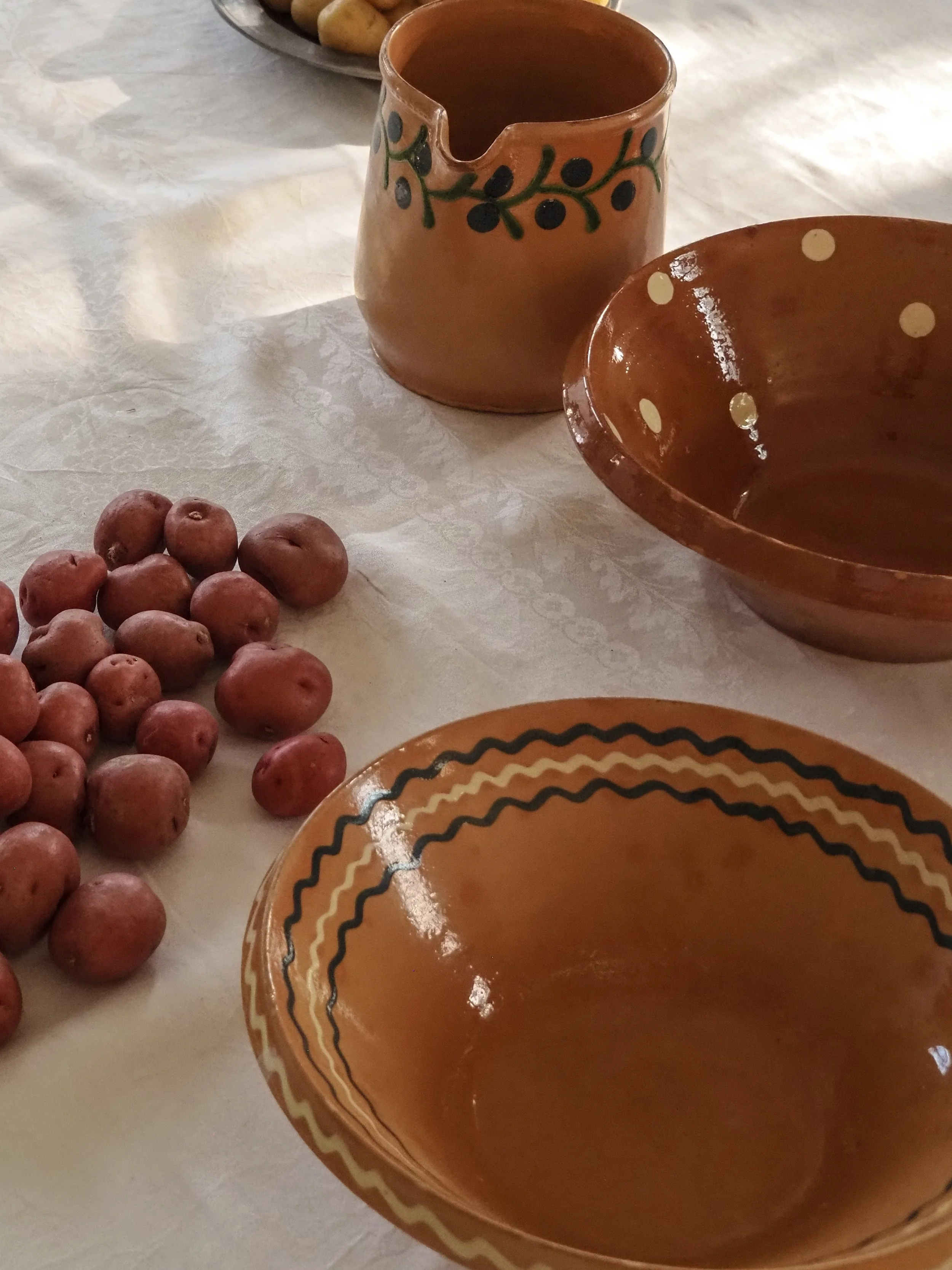
Celebrate the legacy of French provincial craftsmanship with this Antique Jaspe Pottery bowl, a storied piece from the Savoie region dating to the late 19th–early 20th century. Named for its resemblance to jasper stone, Jaspé pottery was an essential part of everyday rural life, valued for both its durability and its distinctive marbled patterns that speak to centuries of tradition in French country pottery.
-Size: 11in Dia
-Materials: pottery
-Provenance: late 19th–early 20th century
-Made in: France, Savoie region
-Notes:
A Qing-era porcelain ginger jar defined by its balanced proportions and preserved original lid.
Originally conceived for storage, ginger jars evolved into enduring decorative forms within the domestic interior. This example reflects that lineage, with a restrained surface and a form that emphasizes proportion over ornament.
Its silhouette allows it to function as both vessel and object, holding presence whether placed independently or within a broader arrangement of collected pieces.
-Size: 9inH 6in Dia
-Materials: porcelain
-Provenance: Ming/Qing Dynasty, circa 1900
-Made in: China
-Notes:

This sculpture exemplifies vernacular religious art traditions, depicting the Virgin of Solitude in a stylized, devotional form. Such works were created for private worship or as part of household altars, reflecting both popular piety and regional artisanal practices. Executed in a modest medium, the piece demonstrates the integration of spiritual iconography with folk craftsmanship.
-Size: [insert size]
-Materials: clay
-Provenance: 19th century
-Made in: Latin America
-Notes:
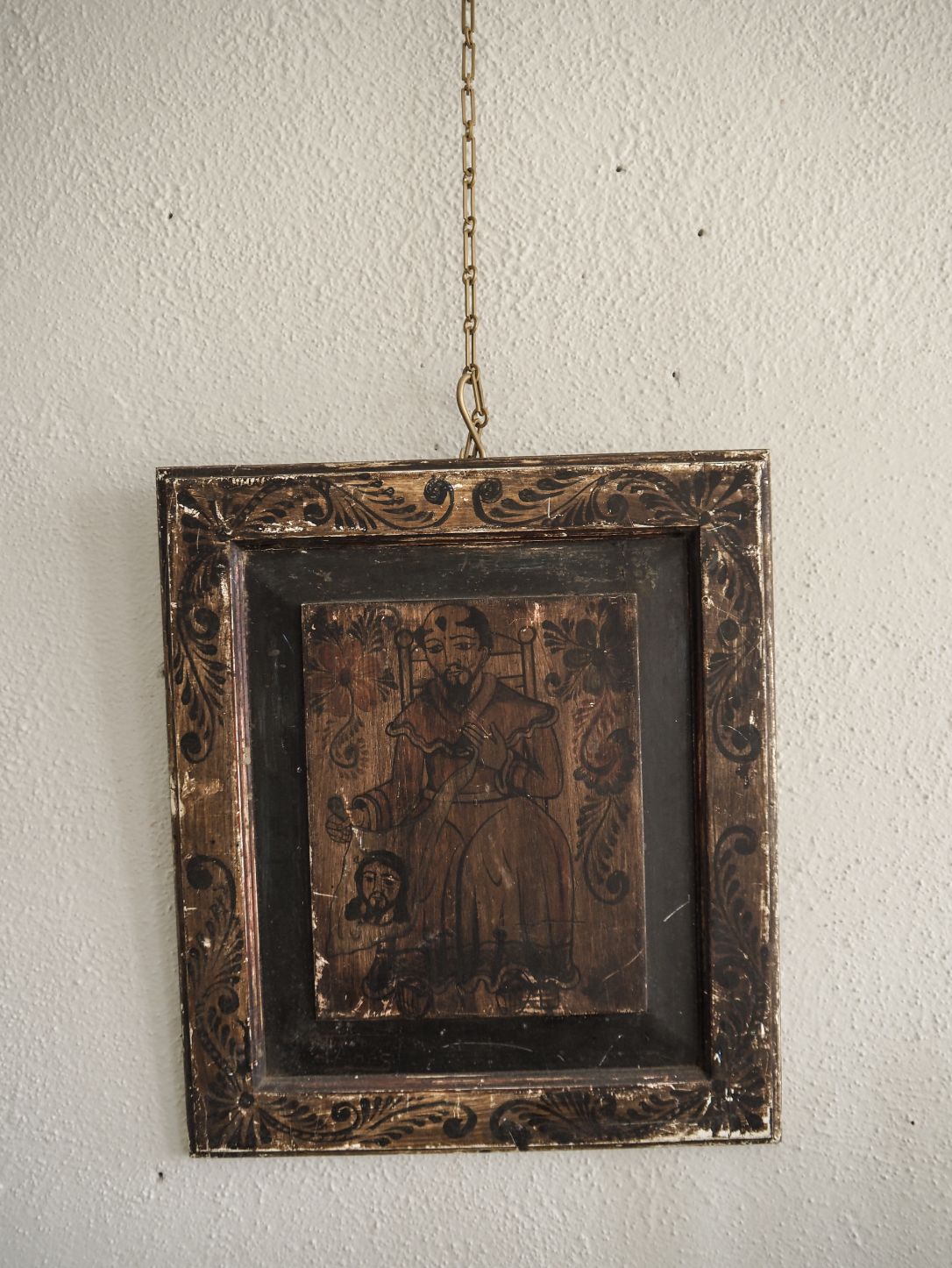
This painted wood panel exemplifies Mexican folk-art traditions within the Spanish Colonial aesthetic. Executed on a repurposed 19th-century wood door, the work features vibrant, hand-painted motifs characteristic of vernacular religious and decorative art. The piece reflects the intersection of utilitarian architecture and expressive ornamentation, demonstrating how domestic and civic structures were transformed into vehicles for artistic expression in 19th-century Mexico.
-Size: 20inW x 24inH
-Materials: wood, paint
-Provenance: 19th century
-Made in: Mexico
-Notes:

This pair of brass candle stands exemplifies 19th-century Mexican metalwork, combining utility with restrained elegance. Crafted from solid brass, their balanced proportions and durable construction reflect the artisanal traditions of ecclesiastical and domestic furnishings of the period. Such stands were often employed in both sacred and private interiors, valued for their enduring material and capacity to cast warm illumination. Their simplicity of form underscores the timeless appeal of functional objects elevated through craftsmanship.
-Size: 1x17inH; 1×21inH
-Materials: brass
-Provenance: 19th century
-Made in: Mexico
-Notes:
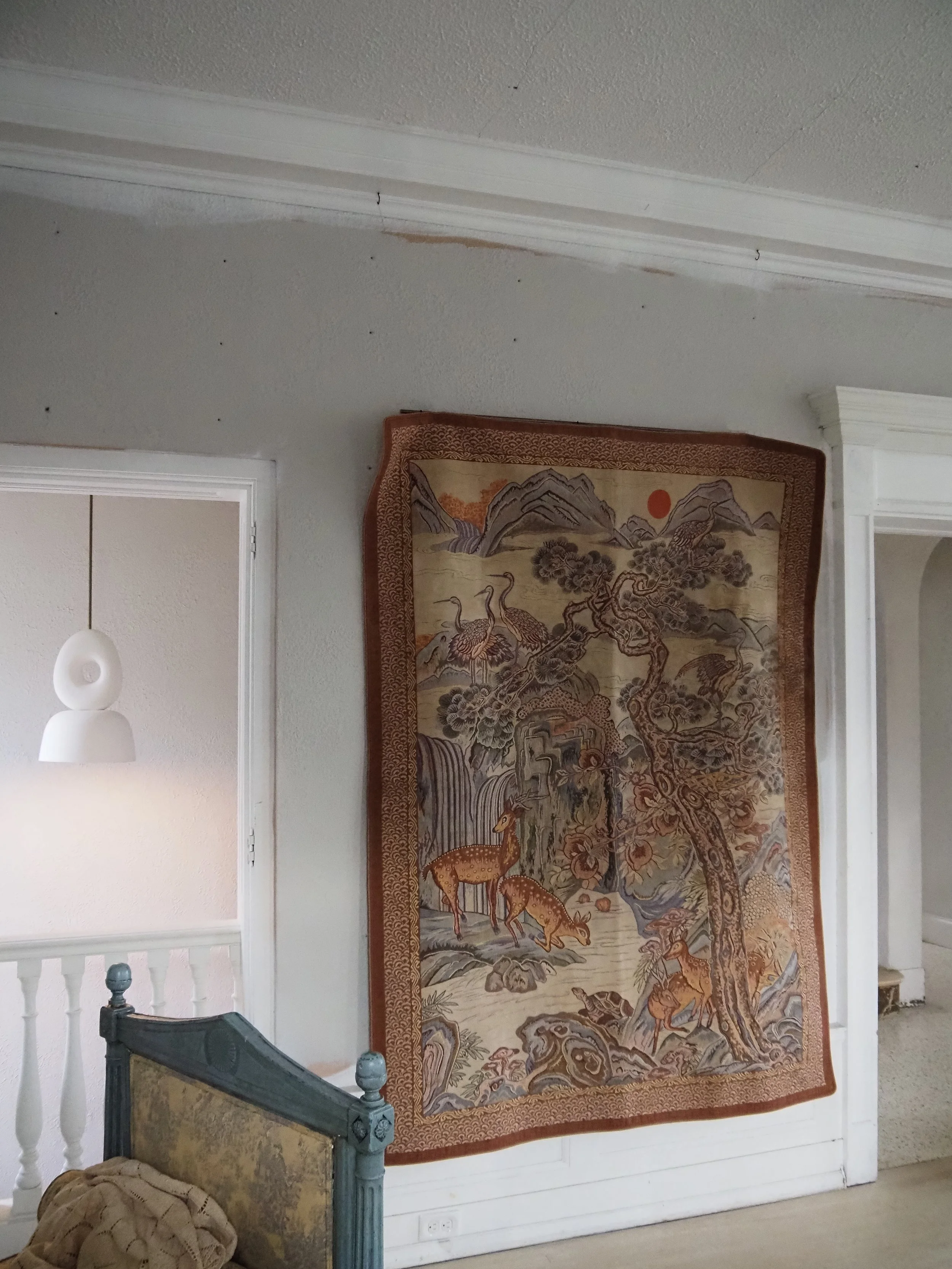
This tapestry features a pastoral scene rendered in soft hues, characteristic of mid-20th century French textile artistry. The composition includes stylized flora and fauna, reflecting the period's interest in nature-inspired design. Woven with a blend of wool and cotton, the piece demonstrates the craftsmanship and aesthetic preferences of the era. Its substantial size makes it suitable for display in a variety of settings, adding a touch of vintage French charm.
Size: Approximately 5' x 7' (152 cm x 213 cm)
Materials: Wool and cotton blend
Provenance: Mid-20th century
Made in: France
Notes:

This chair exemplifies the American Arts & Crafts movement’s emphasis on simplicity, craftsmanship, and functional design. Constructed of solid wood, it features restrained floral motifs integrated into the backrest, reflecting the movement’s preference for natural ornamentation over applied decoration. The piece illustrates the combination of utility and aesthetic refinement characteristic of early 20th century mission-style furniture, intended for domestic or entryway use.
-Size: 16.5W x 16.5D x 40H
-Materials: wood
-Provenance: Early 20th century
-Made in: United States
-Notes:

This retablo exemplifies the devotional folk-art tradition in Latin America, executed on a thin tin support. Retablos were created as votive offerings, often commissioned in gratitude for divine intervention, and feature painted religious iconography rendered in a naïve yet expressive style. The present example demonstrates both the accessibility of tin as a medium and the enduring role of retablos in popular religious practice.
-Size: 10in ×14in
-Materials: tin, paint
-Provenance: 19th–early 20th century
-Made in: Latin America
-Notes:

This plate exemplifies the Florentine tradition of decorative ceramics, characterized by intricate hand-painted motifs and gilded accents. Reflecting the Renaissance-inspired aesthetic that flourished in Florence, the piece demonstrates both technical skill and the city’s enduring reputation for fine decorative arts. Intended primarily for display, such plates bridge utilitarian form with ornamental sophistication, embodying the Italian approach to domestic art objects of the period.
-Size: 10inDia
-Materials: ceramic, hand-painted with gilded decoration
-Provenance: late 19th–early 20th century
-Made in: Florence, Italy
-Notes: intended for display
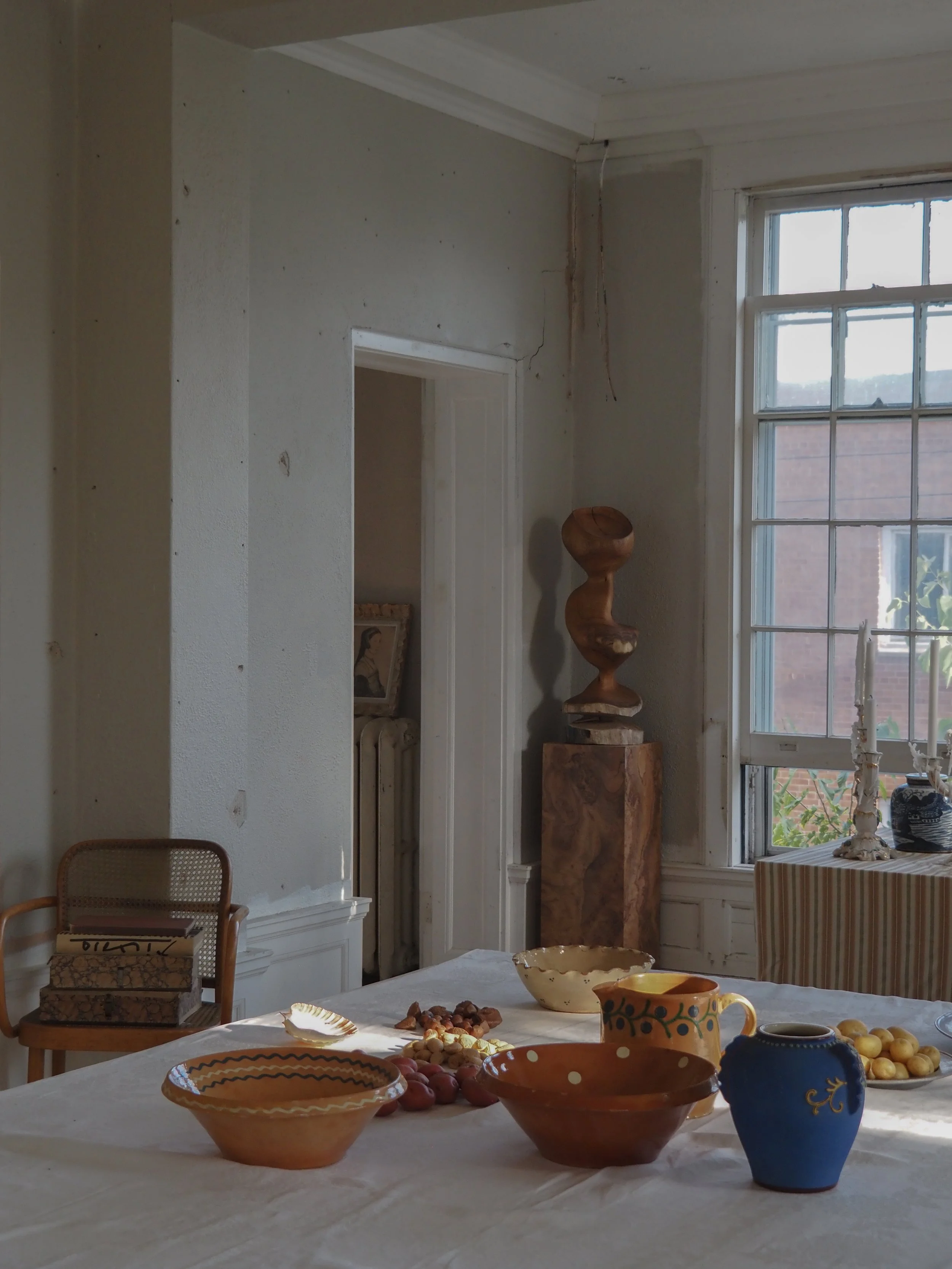
Celebrate the legacy of French provincial craftsmanship with this Antique Jaspe Pottery Pitcher, a storied piece from the Savoie region dating to the late 19th–early 20th century. Named for its resemblance to jasper stone, Jaspé pottery was an essential part of everyday rural life, valued for both its durability and its distinctive marbled patterns that speak to centuries of tradition in French country pottery.
-Size: 6.5"H x 8.5" W
-Materials: pottery
-Provenance: 19th Century
-Made in: France
-Notes:
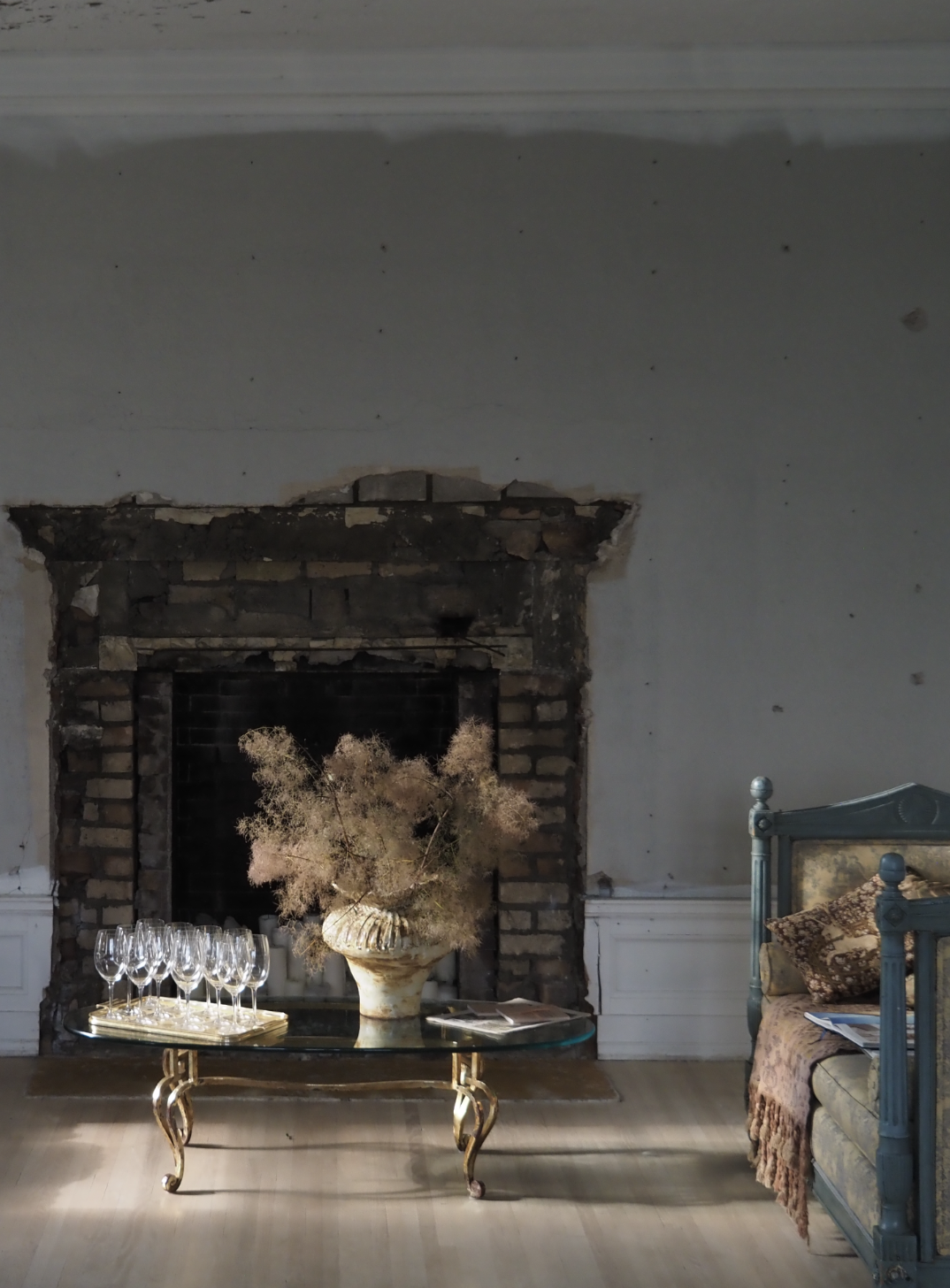
This oval coffee table exemplifies mid-century modern design with Hollywood Regency influences, featuring a sleek brass base supporting a clear glass top. The table demonstrates the period’s emphasis on elegance, simplicity, and the integration of luxurious materials into functional domestic furniture. Its sculptural form and refined proportions reflect the aesthetic sensibilities of 1960s American interior design.
-Size: 53.5" L x 24.25" W x 15.5" H
-Materials: brass base, glass top
-Provenance: vintage 1960s
-Made in: United States
-Notes:

This stand exemplifies vernacular craftsmanship, featuring hand-painted decoration typical of regional folk-art traditions. Constructed with a focus on functionality, the piece simultaneously demonstrates aesthetic sensibilities through its painted motifs and color palette. Such stands were often used for display or storage within domestic interiors, reflecting the integration of practical utility with personal or cultural expression.
-Size: 5in x5in x24in
-Materials: wood, paint
-Provenance: 19th–early 20th century
-Made in: USA
-Notes:
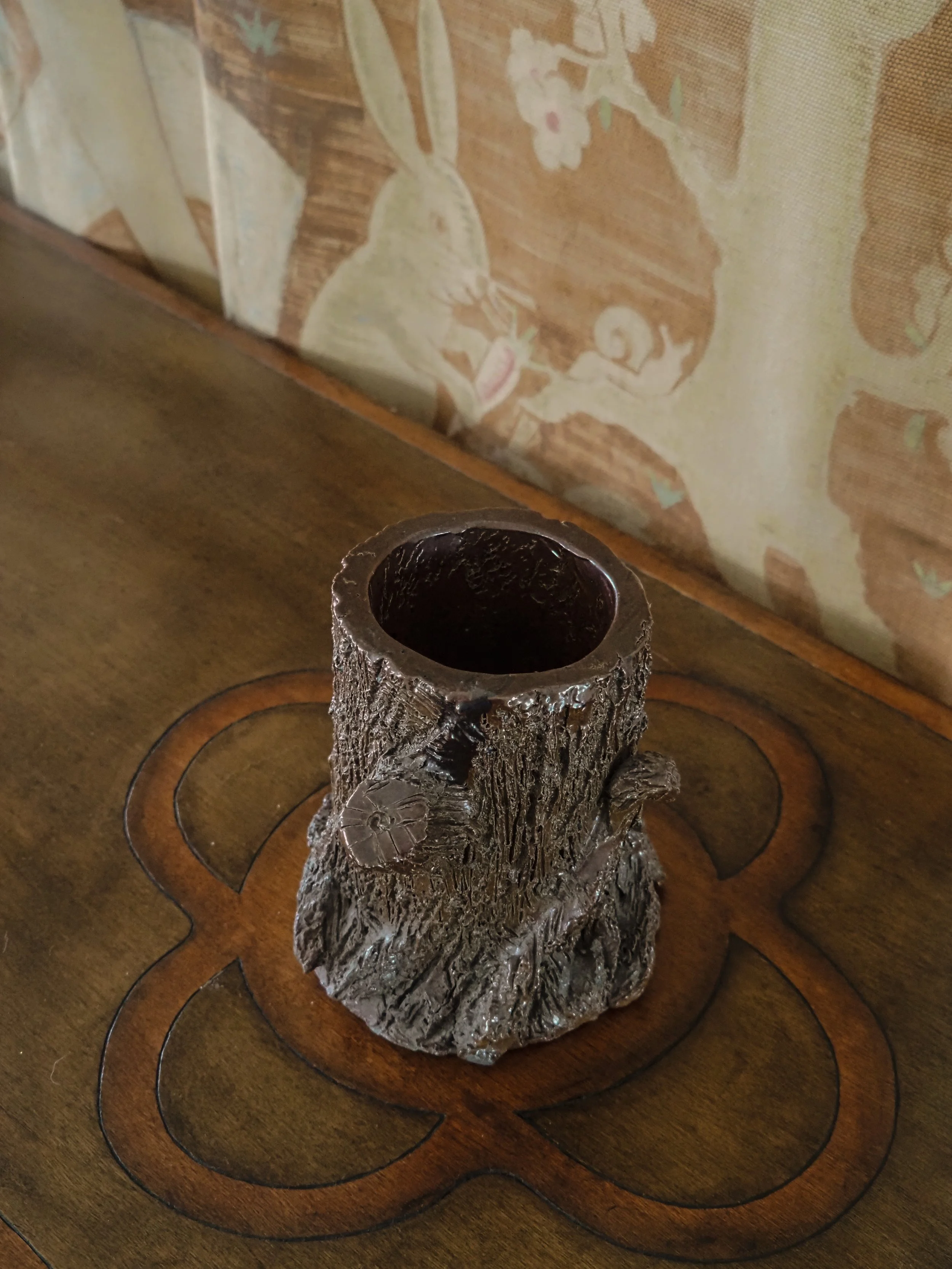
This vase exemplifies the late 19th-century European fascination with naturalistic design, rendered in the faux bois (“false wood”) ceramic technique. The surface mimics the texture and appearance of wood grain, demonstrating both technical skill and the period’s interest in blending functional objects with decorative illusion. Such works reflect the broader Arts and Crafts movement’s emphasis on artisanal craftsmanship and the integration of natural motifs into household objects.
-Size: 7inH x 5.5 Dia
-Materials: ceramic, faux bois finish
-Provenance: 1894
-Made in: France
-Notes: hand carved 1894 mark on bottom
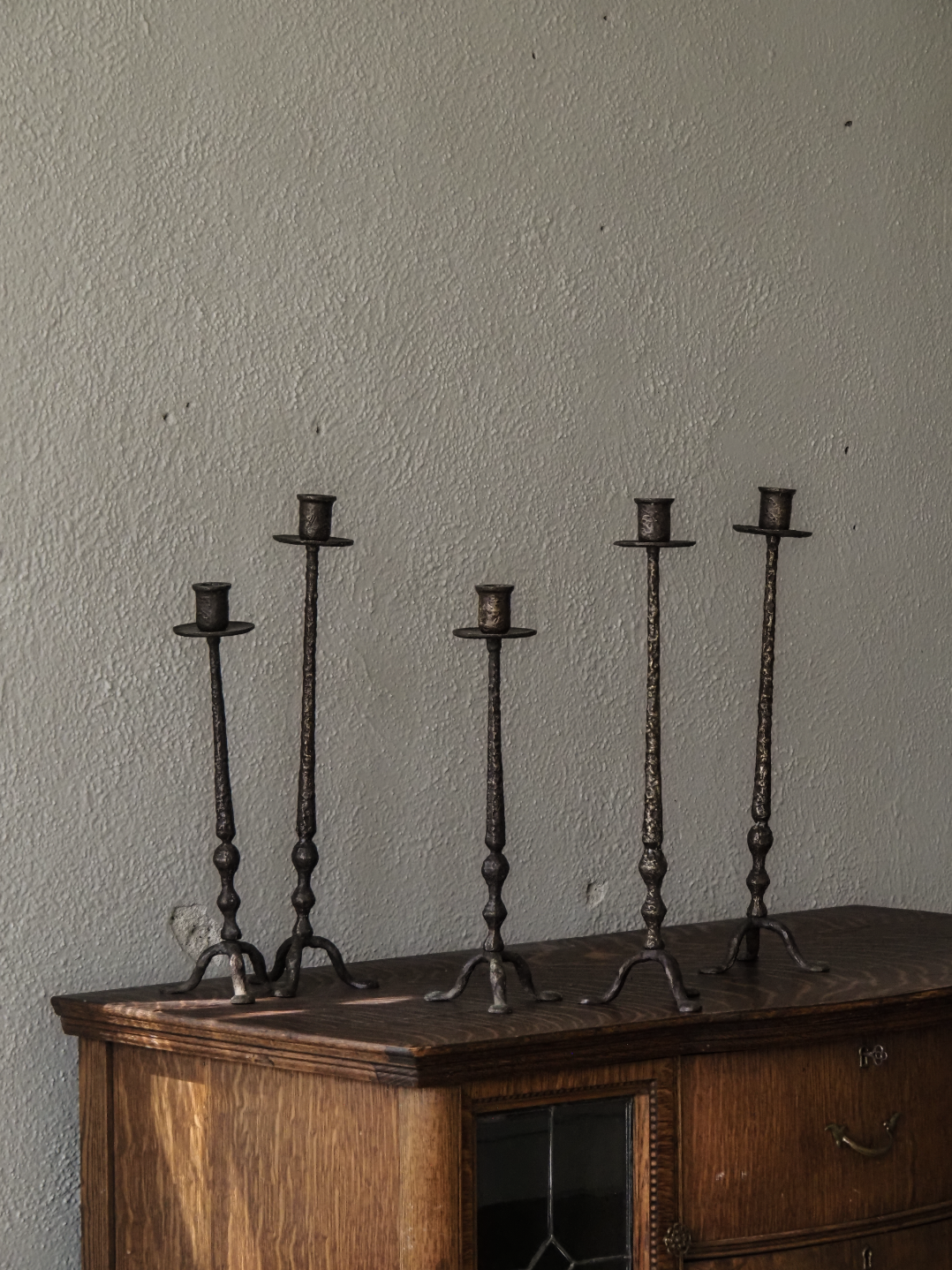
This ensemble of five candlesticks exemplifies the Brutalist aesthetic in decorative arts, defined by raw materiality, sculptural form, and a rejection of ornament. Fashioned from cast iron, each candlestick embodies a rugged tactility and an emphasis on structural presence, hallmarks of the movement that emerged in the mid-20th century. Their irregular silhouettes and textural surfaces transform functional lighting into sculptural statements, reflecting the era’s fascination with elemental forms and industrial processes.
-Size: 2×12in; 3×16”
-Materials: cast iron
-Provenance: mid-20th century
-Made in: Unknown
-Notes:

This set exemplifies the tradition of Irish linen craftsmanship, featuring a double damask weave with a stylized floral pattern. Produced in mid-20th-century Ireland, the tablecloth and accompanying twelve napkins reflect the period’s emphasis on refined domestic textiles, combining durability with aesthetic elegance. The hand-hemmed edges and meticulous weaving demonstrate the artisanal skill inherent in Irish linen production, making this ensemble both a functional and decorative object in the domestic sphere.
-Size: 72in x 96in; napkins 22inx22in
-Materials: Irish linen, double damask weave
-Provenance: mid-20th century
-Made in: Ireland
-Notes: made for Dayton’s Department Store, Minneapolis
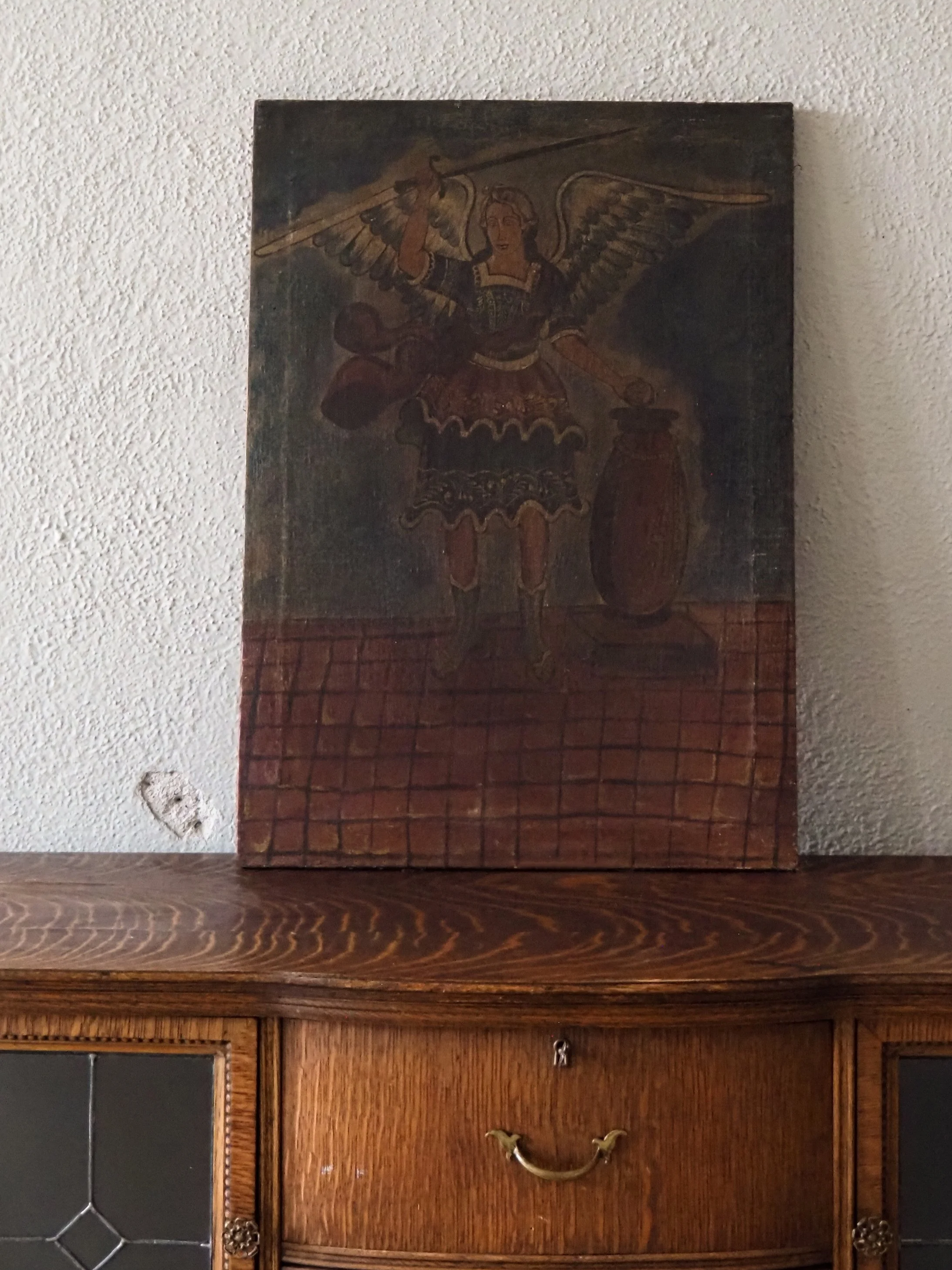
This 19th-century Mexican painting of an Archangel embodies the rich iconographic and devotional traditions of the Spanish Colonial period. Rendered with dramatic gesture and luminous color, the archangel’s figure conveys both celestial authority and protective strength, themes central to New Spanish religious art. The composition’s ornate detailing, expressive brushwork, and symbolic attributes reflect the fusion of European baroque influence with local artistic sensibilities, resulting in a work that is both spiritually resonant and culturally significant.
-Size:
-Materials: oil on canvas
-Provenance: 19th century, New Spain (Mexico)
-Made in: Mexico
-Notes: characteristic baroque coloration and iconography; age-consistent craquelure and patina typical of colonial-period canvases.
INQUIRE
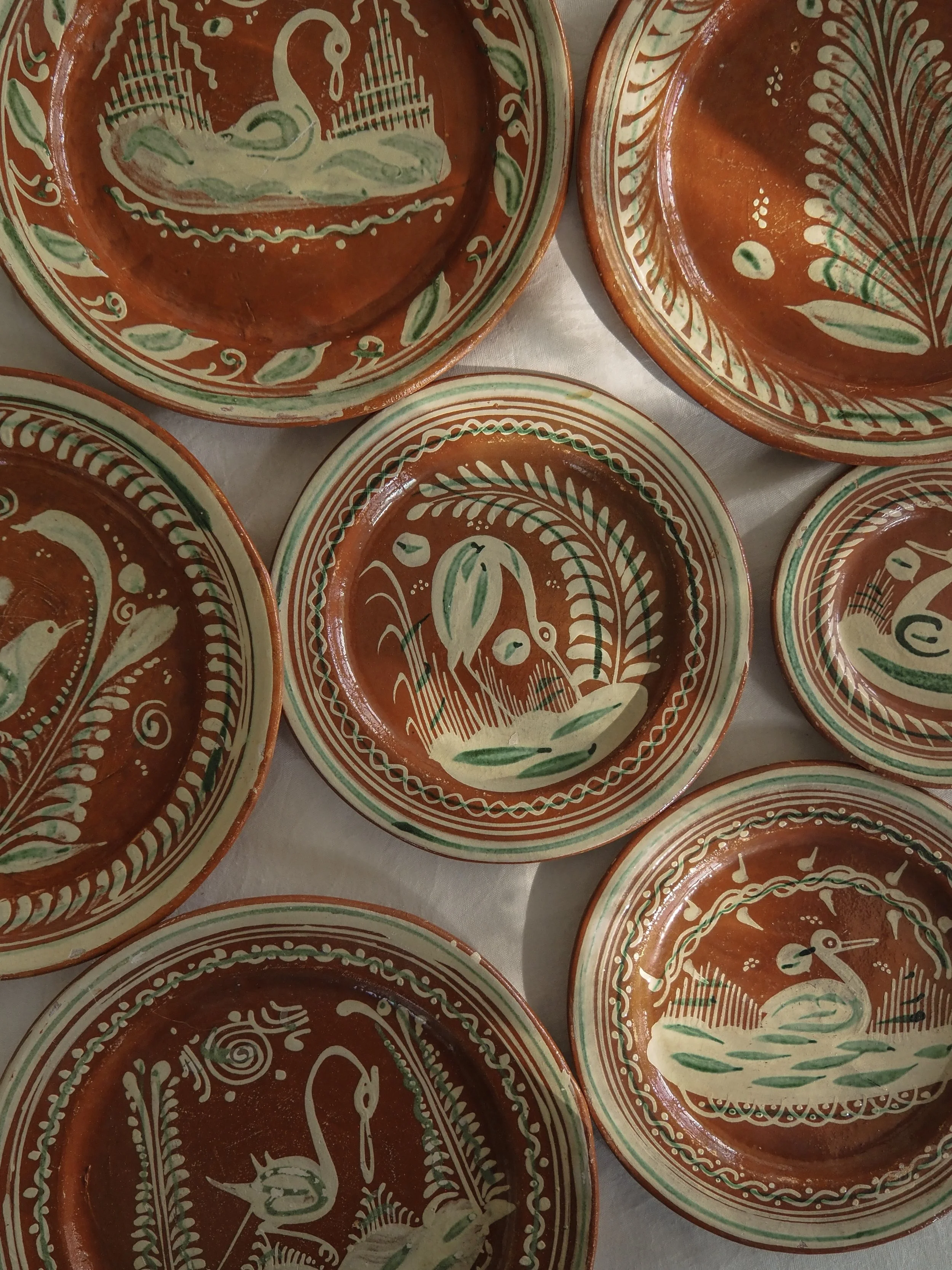
These redware plates exemplify the vernacular ceramic traditions of Tlaquepaque, a region renowned for its artisanal pottery. The bird motif, rendered in a stylized folk-art Bandera manner, reflects regional decorative conventions and the artisanal practices of local potters. The piece demonstrates both functional and ornamental qualities, characteristic of Mexican vernacular ceramic production.
-Size: 4×10in; 2×8in; 1×6in
-Materials: Aldana clay
-Provenance:Mexico
-Notes:

This rare mid-century sculpture exemplifies the Cubist revival in American decorative arts. Modeled after Pablo Picasso’s “La Chouette” owl, the piece is executed in plaster with a bronze-colored cold-painted finish. Produced by Austin Productions, it demonstrates both the technical precision of mid-century casting and the stylistic influence of European modernism on U.S. design. The sculpture retains its original patina and has light surface wear, highlighting its exceptional condition.
-Size: 13.25" H x 12.5" W x 6" D
-Weight: 9.3 lbs
-Materials: plaster, cold-painted finish
-Provenance: 1961
-Made in: United States
-Notes:
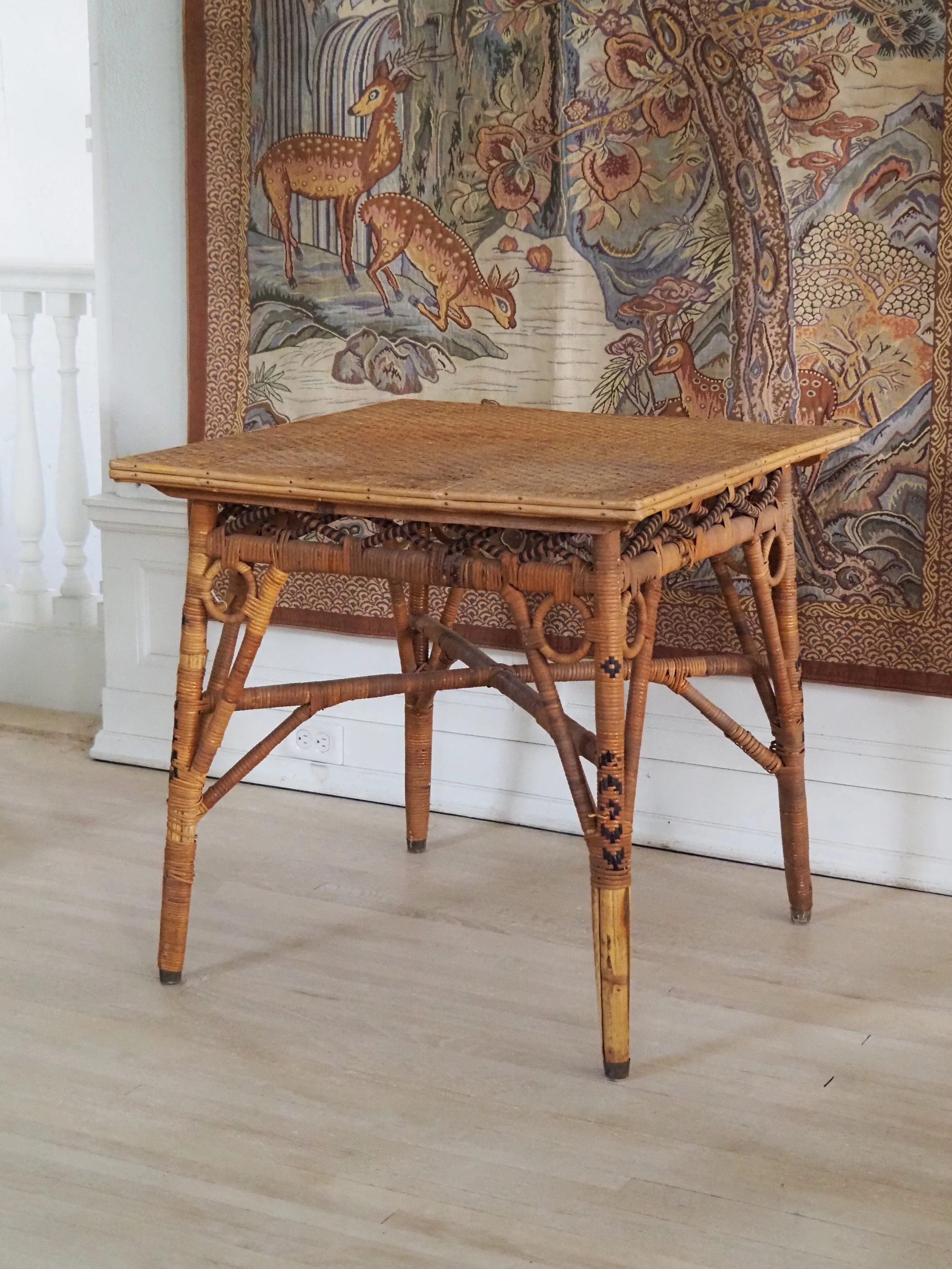
This table exemplifies the integration of natural materials and craftsmanship in late 19th century furniture design. Constructed of wicker with a square form, the piece features decorative legs and nailhead trim, demonstrating attention to structural detail and flourished ornamentation. Its design reflects both functional utility and the period’s interest in texture, materiality, and the decorative potential of rattan furniture.
-Size: 29inH x30inW x30inD
-Materials: wicker, wood, metal (nailhead trim)
-Provenance: late 19th–early 20th century
-Made in: USA
-Notes: fully restored

This cart exemplifies French commercial furnishings from the Belle Époque period, combining functional utility with a restrained, elegant form. Constructed of wood with metal hardware, it was designed for the display and transport of pastries in cafés or patisseries. While its proportions and structure reflect practical design, the subtle craftsmanship and careful construction convey the understated refinement characteristic of late 19th-century service furniture.
-Size: 30in x 15in x 30.5in
-Materials: wood, metal hardware
-Provenance: late 19th–early 20th century
-Made in: France
-Notes:
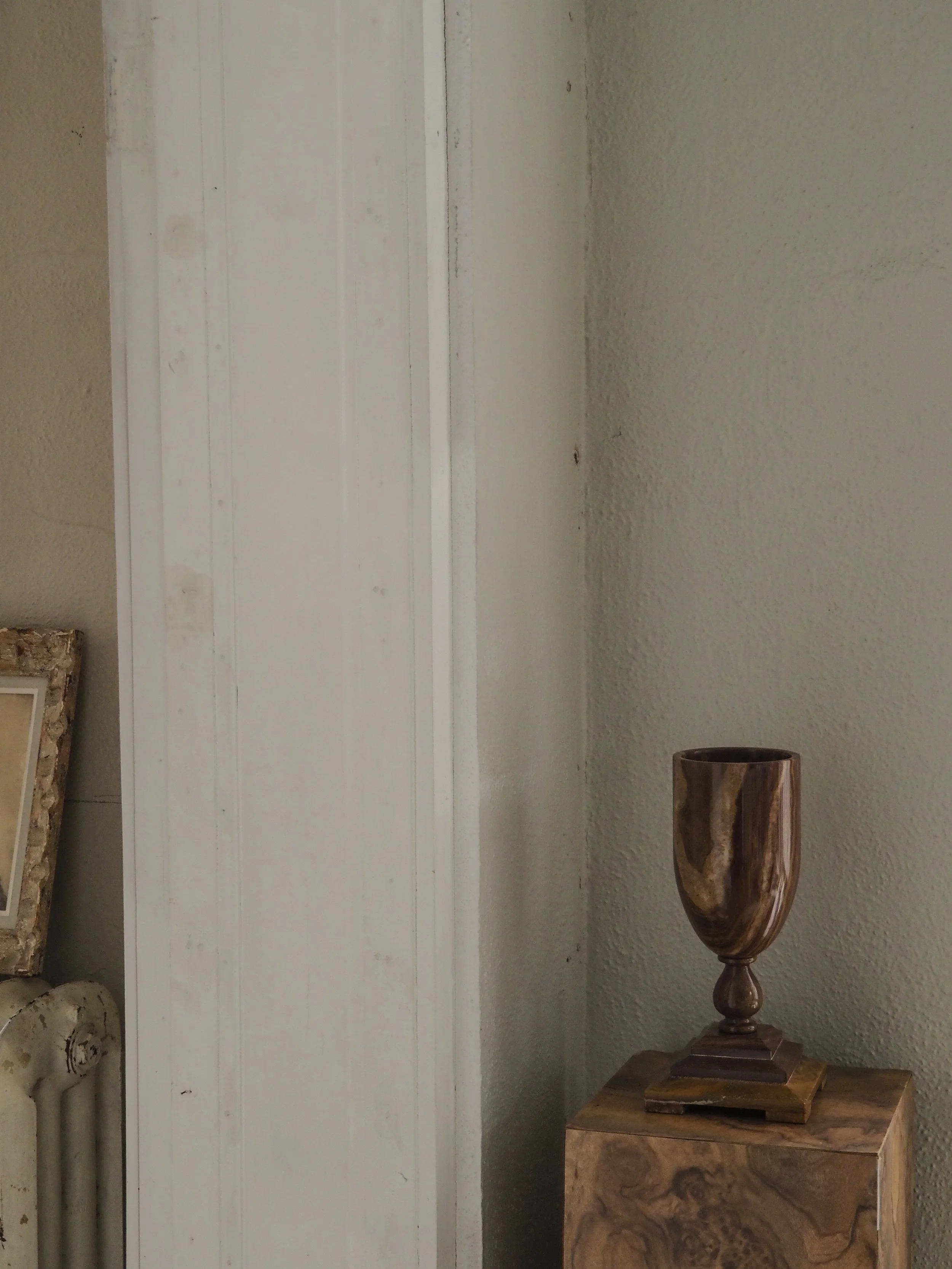
This torchiere lamp exemplifies mid-20th century decorative lighting, featuring a columnar base of oxblood-colored marble with dramatic veining. The piece demonstrates the integration of natural stone with functional design, characteristic of the period’s interest in combining durable materials with refined domestic lighting. Its vertical form and sculptural presence highlight the lamp’s dual role as both a practical illumination source and a decorative object.
-Size: 14inH x5inDia
-Materials: oxblood marble, metal fittings
-Provenance: mid-20th century
-Made in: United States/Europe
-Notes:
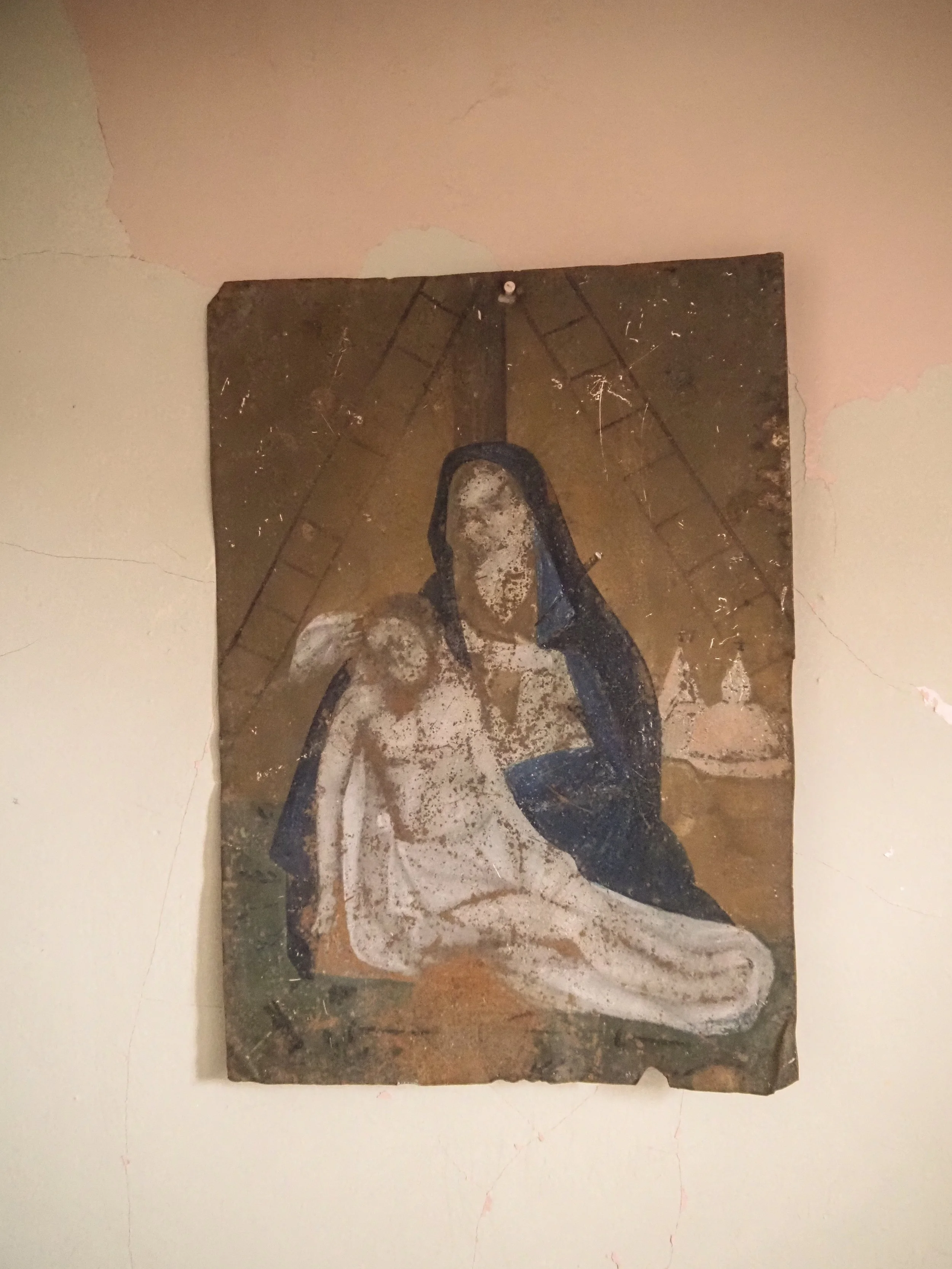
This retablo exemplifies the devotional folk-art tradition in Latin America, executed on a thin tin support. Retablos were created as votive offerings, often commissioned in gratitude for divine intervention, and feature painted religious iconography rendered in a naïve yet expressive style. The present example demonstrates both the accessibility of tin as a medium and the enduring role of retablos in popular religious practice.
-Size: 10in x 14in
-Materials: tin, paint
-Provenance: 19th–early 20th century
-Made in: Latin America
-Notes:
Explore PAST GATHERINGS

LIQUID MUSIC PRESENTS SOUTHERN BODIES
A treat to host @liquidmusicseries @northropumn for dinner in celebration of the world premiere of Southern Bodies by @kitdownesmusic @bill.frisell @spcomusicians. See more here.

REMEMBRANCE OF THINGS PRESENT
As an extension of our trend and culture experience Salonnière Paper, we created an experiential dinner with Los Angeles-based @forthecorpse that traced the visual expression of the scallop shell and its symbolism in food and life. See more here.

UP THE STAIRS, TO THE RIGHT
As an exploration of the role of decorative arts within public + private space and celebrating the antiquarian alongside the contemporary, our shoppable assortment includes collectibles contextualized alongside 19th century antiques. See more here.