EVERYTHING AROUND ME WAS SOMEONE’S LIFEWORK
We lost my mom four years ago in November. Experiences like this are demarcations. Soon after her death, I searched books for any words of comfort or ways to understand what had just happened to me, to us. Ocean Vuong, in his book Time is a Mother, put it so succinctly: "After my mother died there were two time zones …. today when she's not here, and the big, big yesterday when I had her".
Loss conjures thoughts on the story of one’s life. Who gets to tell? Whose perspective is truth? In her book Mothers, Fathers and Others, Siri Hustvedt speaks so clearly on the matter. Her family lineage was housed in meticulous record-keeping her grandfather had written in a small notebook. This was archived at St. Olaf College and became the narrative of their family despite minimizing the impact of Tillie, his wife.
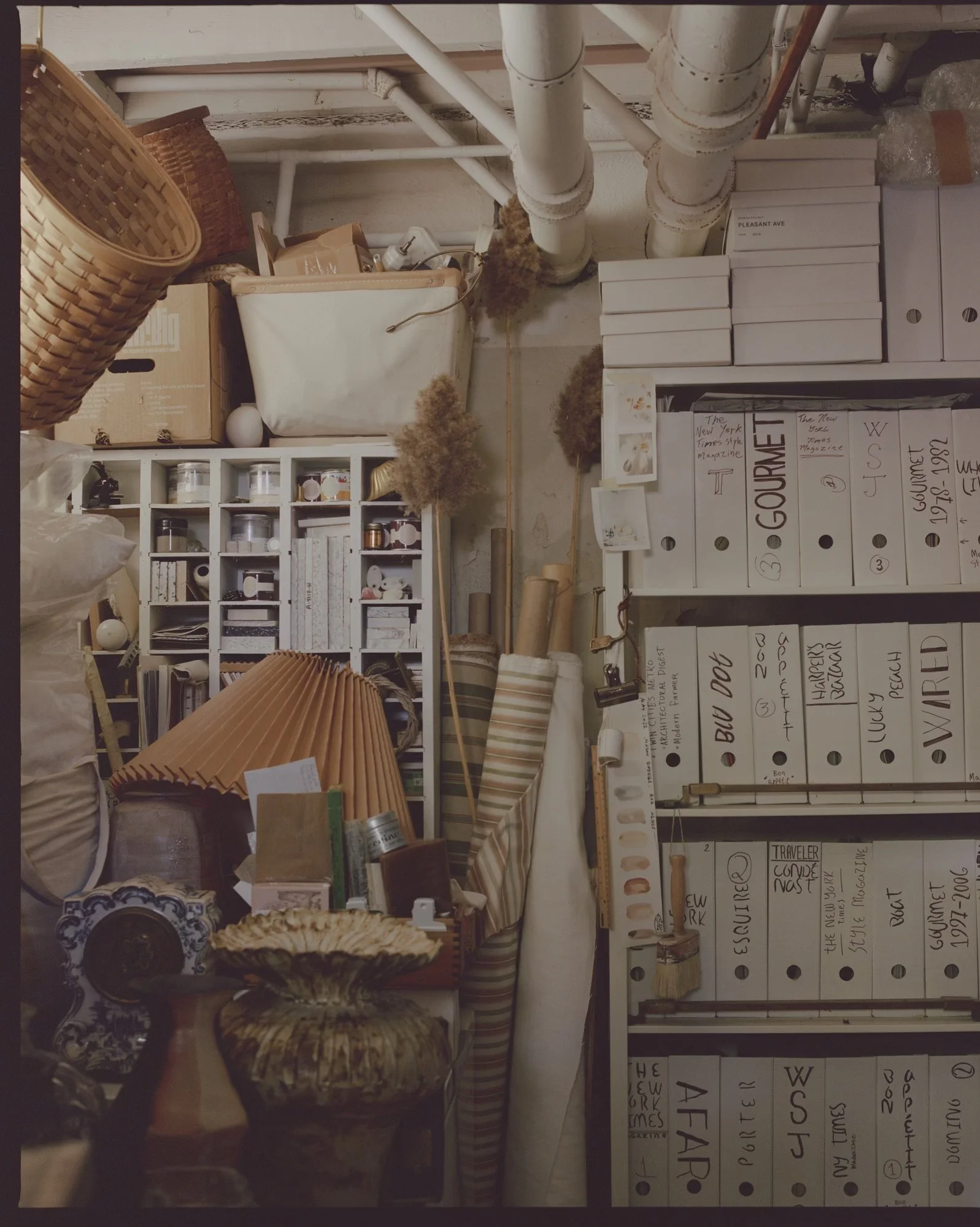
These questions of narrative ownership naturally draw me to ‘process as presentation’, the idea that the journey is just as important as the destination. Women I look up to most, like Claire Steyaert, have incredible archives of research from years of travel and the study of art and antiquities. Current projects like the historic Batcher Block Opera House and its steward Colleen Frost, also beg for not only a physical archive of incredible costuming and artifacts, but a place to express how our legacies merge as we care for stories that are larger than us.
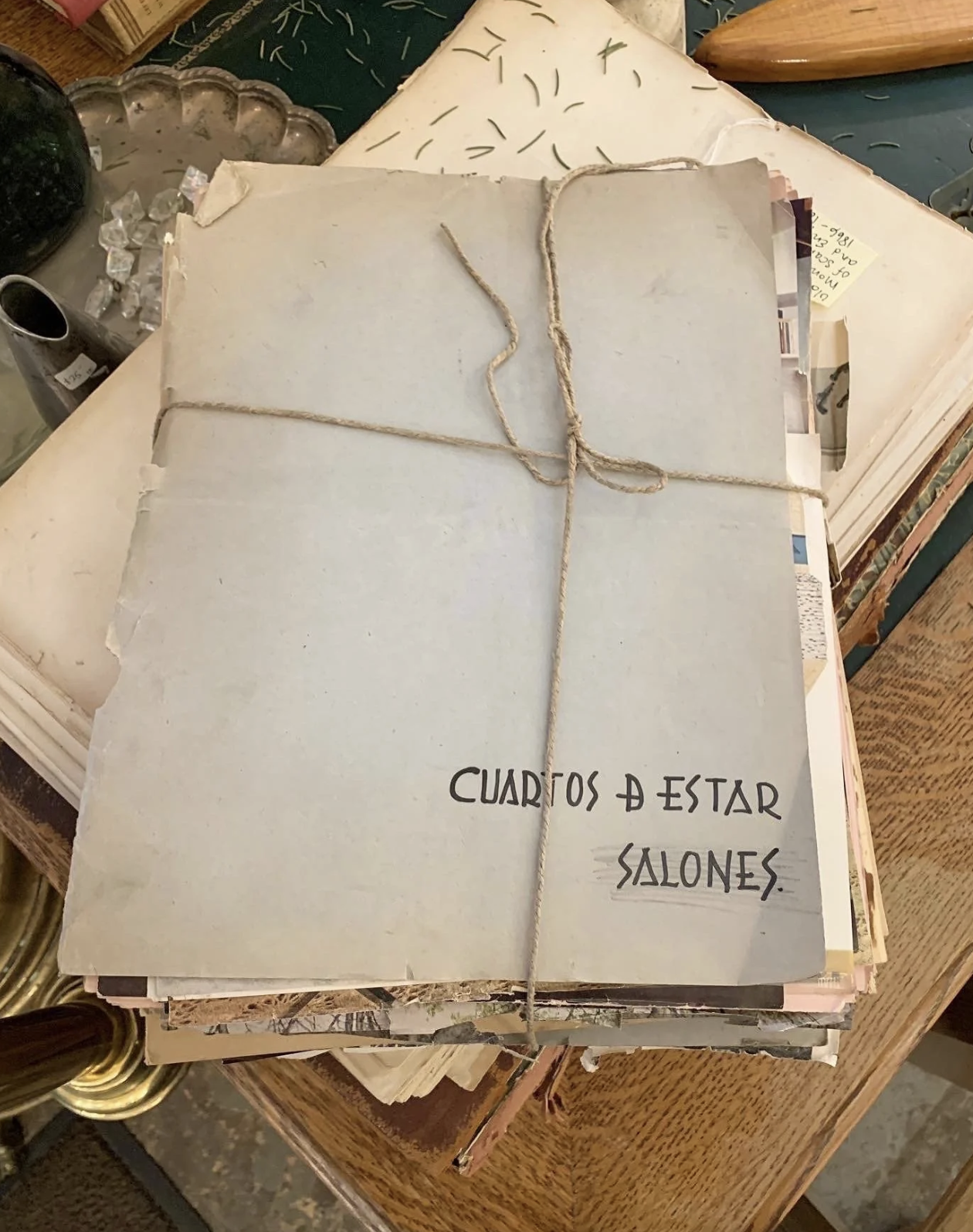
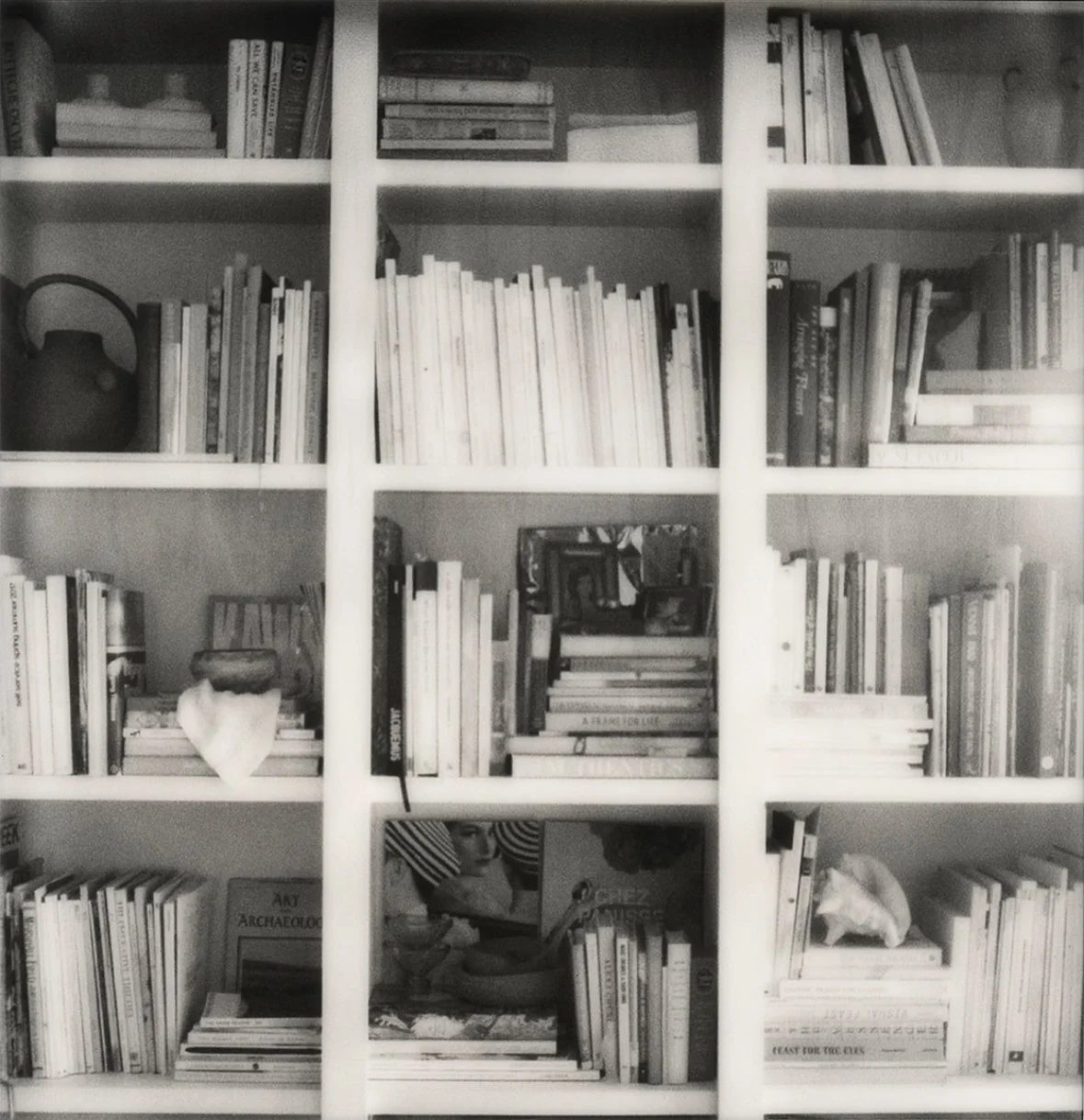
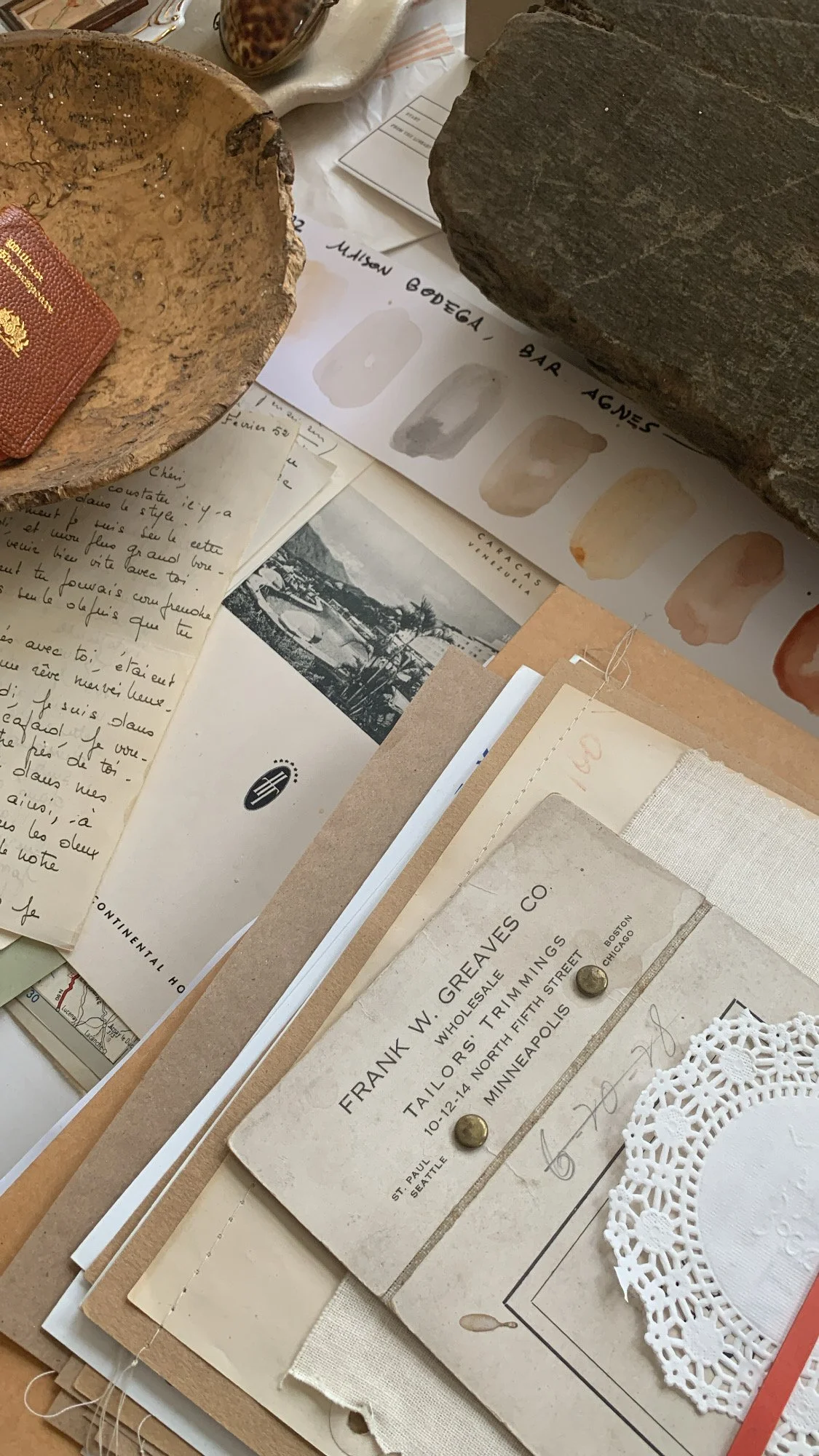
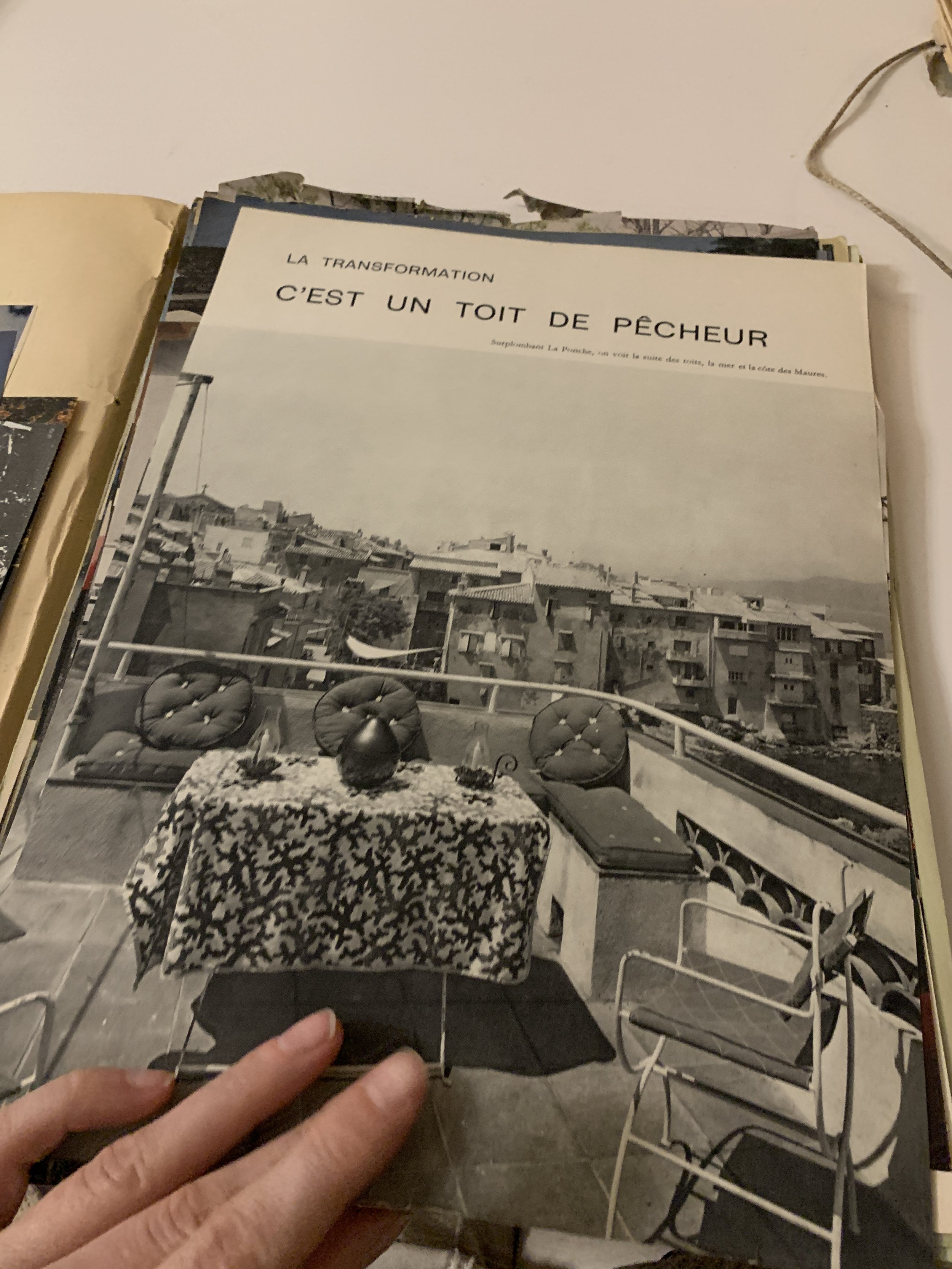
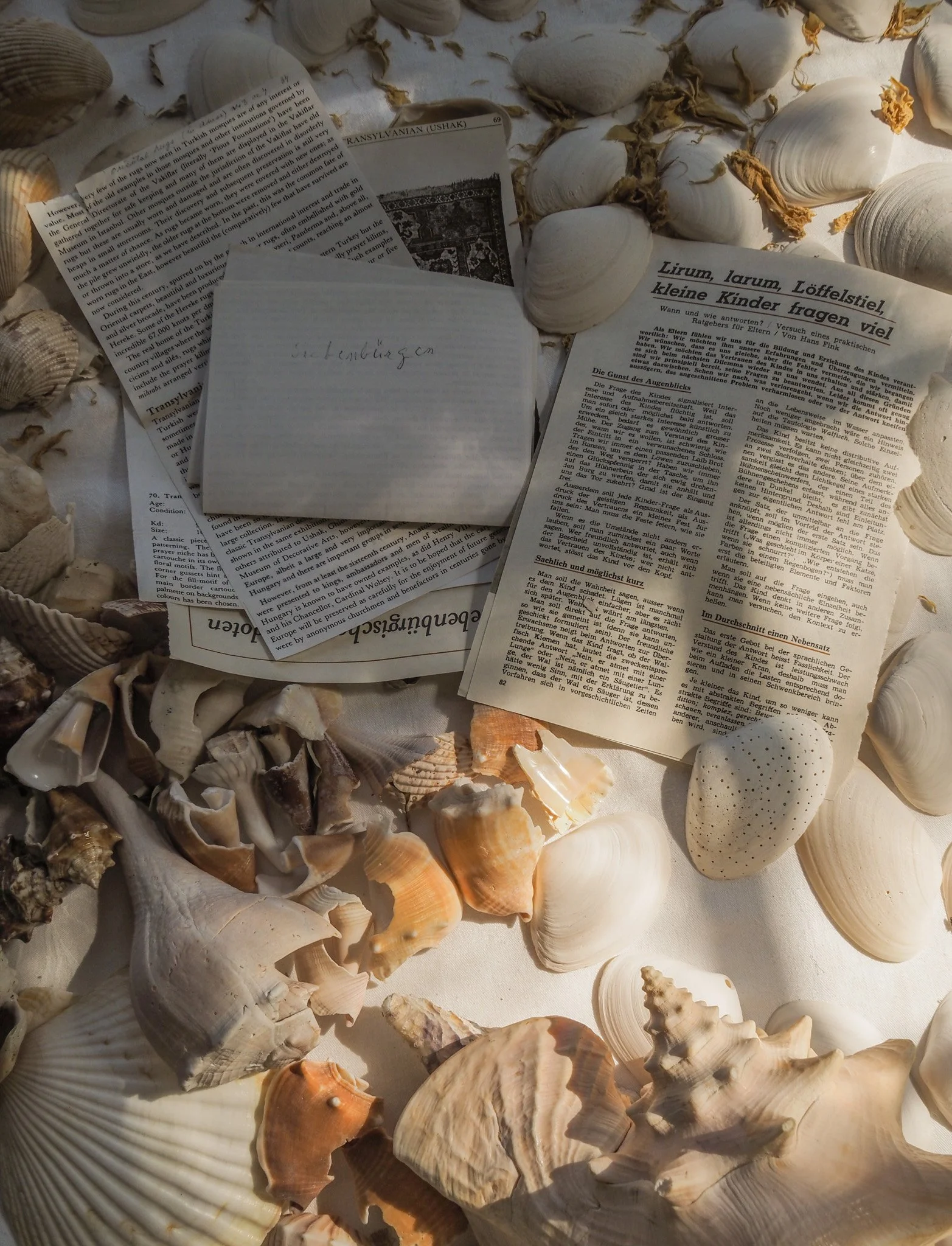
Last year, I bid on an auction lot of art books. Upon retrieval, I found that the pages were full of research notes, family postcards, photos, ephemera and other timestamps from the life Bridgie Sandager, who died at age 101, an archivist at the University of Minnesota. Now, hundreds of her books live in the cases of Maison Bodega.
I have felt more compelled than ever to document the minute and the grand elements of life. When viewed in a total expression, everything around me was someone’s lifework.